
Estimated reading time: 5 minutes · Last updated:
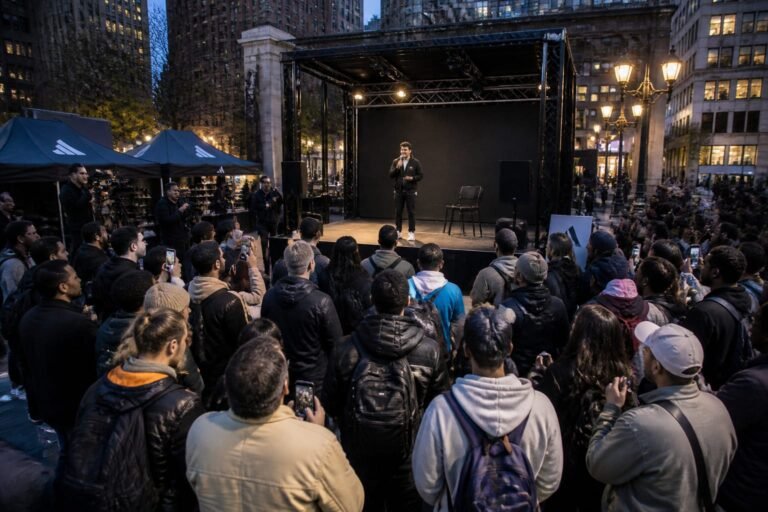
As first reported by Digiday, creators across sports and lifestyle niches are turning online followings into in-person gatherings to prove audience loyalty and unlock sponsorship deals. Maya Raichoora, whose Instagram grew past 600,00 followers, runs a monthly event she says will outlast anything posted to a feed and points to live community as the next revenue engine. Brands value the arrangement because an event delivers countable outcomes — turnout, sales and sign-ups — on the night itself. MKTG Sports + Entertainment data cited in the coverage finds nearly half (45%) of sports fans crave offline experiences and nearly two thirds (62%) say community in sport requires real-life interaction, a metric marketers are using when they sign deals.
I do think the future is going to be in real life
Maya Raichoora
Key takeaways
- Creator shift to IRL: Maya Raichoora, whose Instagram grew past 600,00 followers, now hosts a monthly IRL event and says "I do think the future is going to be in real life."
- Fan demand data: MKTG Sports + Entertainment reports nearly half (45%) of sports fans want more offline experiences and nearly two thirds (62%) believe community is built in real life.
- Scale and sponsorship: Dude Perfect moved more than 200,000 fans through U.S. stadium tours in 2025, and AT&T sponsored Ludwig Ahgren's events for six months last year.
- Measurement advantage: Brands can tally turnout, sales and sign-ups the night of an event, making creator deals more directly measurable, Amar Singh at MKTG says.
Table of contents
Why creators are staging IRL events now
Creators are pushing followers into physical rooms because live events offer something short video cannot: experiences that cannot be clipped, copied or monetised by third parties. The coverage quotes content creators who say video view economics are tightening and that clips and clippers now capture attention and revenue that once went to original creators. An in-person ticket, a meet-up or a workshop is a product a clipper cannot reproduce, and it gives creators a direct revenue line beyond ad splits and platform payouts.
For creators with an active community, an event also strengthens the relationship that brands prize. The material includes examples ranging from large-scale stadium tours to smaller monthly gatherings; both types change the sponsorship conversation because they produce attendance and purchase data. That shift matters where marketers demand outcomes they can count rather than impressions alone.
What brands get from creator-run events
Brands see two immediate advantages. First, an event produces measurable metrics — tickets sold, merch revenue, sign-ups — that can be tracked the night of the show. The coverage notes that Dude Perfect judges tours on ticket and merch sales and that sponsors can tally turnout and sales before the night ends. Second, live activations show proof of fandom in a way a feed view does not: moving people from passive consumption to an action the brand can link to a creator.
MKTG Sports + Entertainment's cited data underpins that logic: nearly half (45%) of sports fans say they now crave more offline experiences, and almost two thirds (62%) say community in sports is built only through real-life experiences. Amar Singh, svp at MKTG, frames the ability to "move an audience from the feed into a room" as a practical measure of a creator's commercial value.
Which creators can convert audiences into paying communities
Not every creator can turn followers into an event audience. The reporting contrasts those who have an engaged community with those who have reach but little real-world pull. Maya Raichoora explains why she moved followers off Instagram and now hosts monthly gatherings: she treats community attendance as a signal brands can trust. The material also warns that many creators who perform well on video do not translate into in-person turnouts.
Scale matters for some sponsors and formats — the piece cites Dude Perfect's U.S. stadium tours that drew more than 200,000 fans in 2025 — but smaller creators can still succeed by focusing on tight-knit communities and repeat events. Where creators can demonstrate conversion from follower to ticket-buyer, they can access different deal structures and longer sponsorships than one-off content buys.
How marketers should approach creator IRL activations
Marketers should treat an event as both an activation and a measurement instrument: set clear success metrics (turnout, sign-ups, sales) and require creators to report them. The coverage describes sponsors tallying attendance and immediate results the night of an event; that immediacy makes sponsorship ROI easier to assess than many digital metrics.
Second, match scale to objective. Large stadium tours suit mass-reach goals and merchandising, as the Dude Perfect example shows; shorter, recurring gatherings work for community-building and word-of-mouth. Finally, assess whether a creator owns the audience outside the platform. Maya Raichoora's strategy of moving followers off her original platform into an independent community is cited as a sign the creator controls access to fans — and therefore to conversion.
| Creator | Scale / metric | Sponsor | Timing / note |
|---|---|---|---|
| Dude Perfect | More than 200,000 fans through U.S. stadium tours in 2025 | Sixth year of U.S. stadium tours | |
| Alex Cooper | Toured with branded sponsorship | White Claw | Unwell Tour (no year given) |
| Ludwig Ahgren | Recurring events | AT&T (six months) | AT&T sponsored all his events for six months last year |
How the trend could evolve
The case for
- Brands adopt events because they deliver direct, countable outcomes — turnout, sales, and sign-ups — that simplify ROI conversations.
- Creators who own communities off platforms can build recurring revenue streams and longer sponsorships tied to live engagement rather than one-off posts.
The case against
- Not all creators can convert followers to attendees; reach does not equal purchase behaviour and many creators will struggle to fill rooms.
- Clipper-driven attention and tightening creator monetisation online mean some creators may still see live events as a stopgap rather than a sustainable business model.
What to be careful about
- Ticketing and turnout risk: a promoter or sponsor can face poor ROI if a creator fails to draw expected attendance.
- Measurement mismatch: brands assuming attendance equals brand advocacy may overstate impact if follow-through (sales or long-term engagement) is weak.
- Sponsorship concentration: short-term multi-event deals can leave creators exposed if a sponsor exits after a fixed term, as sponsorships are often time-bound.
The bottom line
Live events give creators and brands a way to convert attention into tangible actions and revenue. The material shows brands respond to measurability — sponsors can count tickets, sales and sign-ups — and that fan demand for offline connection is real, per MKTG's cited figures. The strategy favours creators who control their communities off-platform and who can reliably move followers into rooms. For marketers, the implication is simple: prize community activation and insist on event-level metrics when structuring creator deals.
What to watch
- Watch for more creators advertising recurring monthly IRL events; no date range is specified in the coverage.
- Watch for sponsorship deals that tie payments to onsite metrics such as tickets sold or sign-ups; no specific rollout calendar is given.
- Watch for brands to cite MKTG's findings on offline demand in future pitches; the coverage gives no date for fresh releases.
Frequently asked questions
Why are creators shifting from feeds to live events?
The material reports creators face tougher economics on short video and that clips can be monetised by others; live events offer revenue that cannot be clipped and give sponsors countable results. MKTG's cited data — 45% and 62% — also indicates fan demand for offline experiences.
How do brands measure success at creator events?
Brands can measure ticket sales, on-site purchases and sign-ups the night of the event, turning attendance into immediate metrics. The coverage notes Dude Perfect judges tours on ticket and merch sales, and sponsors can tally results before the night ends.
Which creators are best suited to run IRL events?
Creators who have communities that follow them beyond a platform are strongest: the coverage cites Maya Raichoora moving her followers off Instagram and hosting monthly events as an example. Large-scale acts work for merchandising and reach, while smaller creators can succeed with repeat, community-focused gatherings.
Related reading