
Estimated reading time: 4 minutes · Last updated:
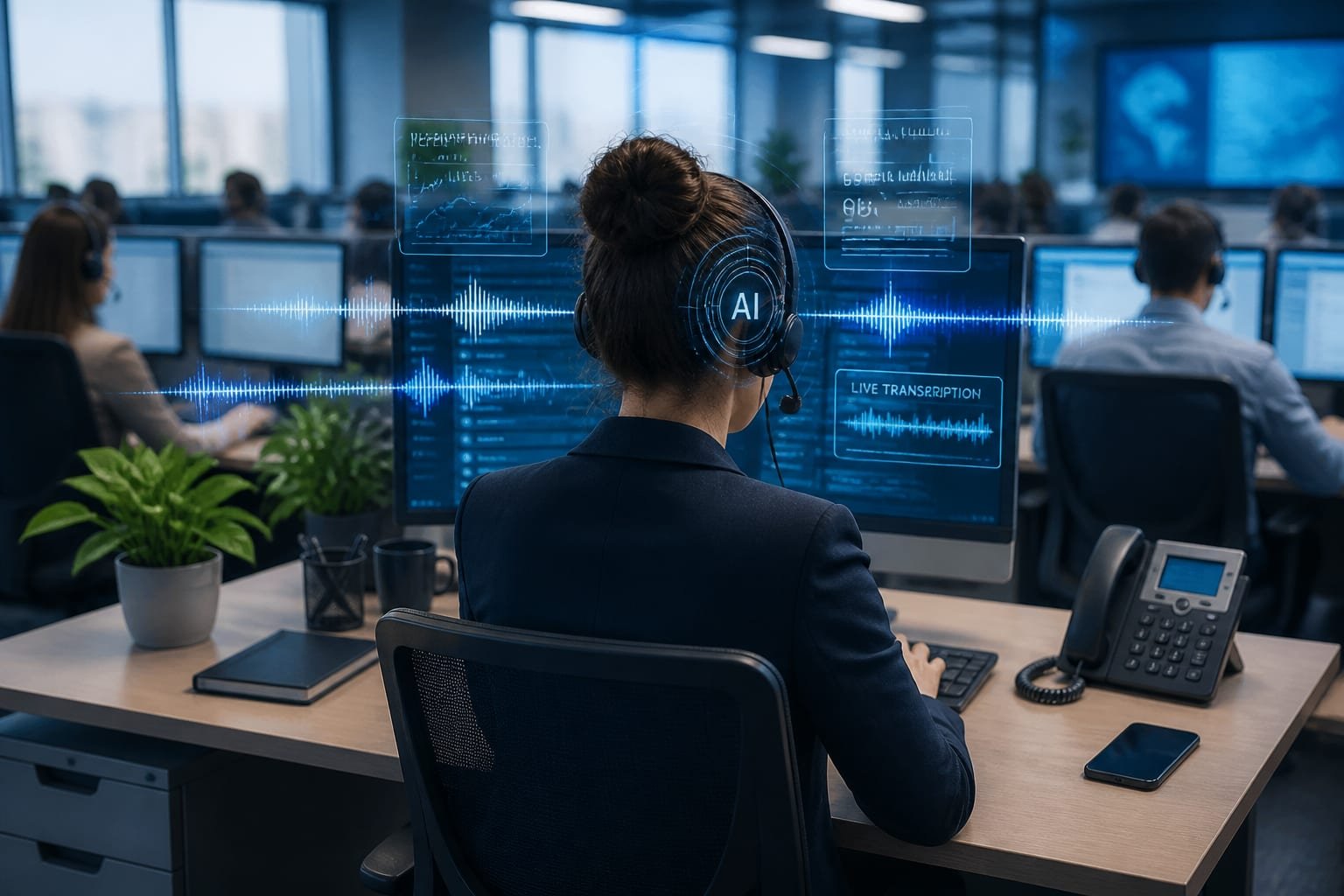
As first reported by The Guardian, Co-op Legal Services has rolled out an automated listening system that records and scores probate calls using an OpenAI model. Whistleblowers say the software assesses more than 50 discrete aspects of each interaction and produces pass/fail metrics that managers use for performance reviews. One worker said the technology can monitor them for seven hours a day while they handle sensitive enquiries from bereaved clients. Co-op Legal Services said the AI supports quality assurance and colleague coaching.
Key takeaways
- Scope of monitoring: Co-op Legal Services uses an OpenAI-based system that assesses more than 50 discrete aspects of each probate call.
- Hours monitored: A staff member said their work can be monitored by AI for seven hours a day.
- Number of staff affected: The system was introduced into the work of dozens of legal services staff in the last couple of months.
- Union response: John Chadfield of the Communication Workers Union criticised the technology and called for greater accountability for automated systems.
- Regulatory warning: The International Labour Organization warned in May 2026 about psychosocial risks from AI monitoring.
Table of contents
- Key takeaways
- How the Co-op’s system works and what it scores
- Employee reaction and union criticism
- Wider rollout of workplace monitoring and regulatory context
- Co-op’s stated aims and legal risks for employers
- Case for and against AI monitoring in customer-facing teams
- What to be careful about
- Frequently asked questions
How the Co-op’s system works and what it scores
Co-op Legal Services has deployed an automated listening and analysis system that records probate-related phone calls and produces percentage scores for agents’ interactions. The company says the model, built from OpenAI technology, inspects over 50 discrete elements of a call—phrasing, tone and compliance markers among them—and returns pass/fail style results that managers can review.
Employees described the system as active across whole shifts; one person said their work can be monitored for seven hours a day while they handle enquiries often from recently bereaved clients. Co-op told staff and clients the tool is a support for quality assurance and coaching rather than a decision-maker.
KeyPhrase: OpenAI model assesses more than 50 discrete aspects
Employee reaction and union criticism
Workers and a whistleblower described the monitoring as oppressive and said it created a sense of distrust on the probate team. One worker said, "You are being watched," and added that every time they spoke the AI logged the interaction for scoring.
The Communication Workers Union’s national officer, John Chadfield, warned that unaccountable computer systems should not act as managers and said the technology can intensify employees’ workload without clearer safeguards. Hayfa Mohdzaini of the Chartered Institute of Professional Development said the new feedback structures are making office work feel more like factory production and that managers will need to adapt their approach.
Wider rollout of workplace monitoring and regulatory context
The Co-op example sits alongside other recent rollouts of blanket monitoring. Multiverse used AI to monitor online classroom sessions, and earlier in 2026 Burger King in the US announced AI tracking of restaurant worker interactions; Meta paused keystroke tracking this summer amid staff and privacy concerns. These cases have prompted fresh scrutiny from labour and privacy bodies.
International guidance is starting to catch up: the International Labour Organization issued a warning about psychosocial risks from AI monitoring in May 2026, noting such systems are being deployed without comprehensive regulation. That caution has been echoed by workplace welfare specialists who point to the known links between continuous surveillance and stress.
Co-op’s stated aims and legal risks for employers
Co-op Life Services managing director Caoilionn Hurley said the tool improves the reach and consistency of quality reviews and helps leaders pinpoint where colleagues need support and coaching. In a company statement she emphasised that human judgment, accountability and care remain central to client work.
Even where employers frame monitoring as a quality measure, legal risks can follow. Continuous recording of sensitive conversations—probate enquiries often involve recently bereaved people—creates potential issues under data protection and employment law, and it may increase the risk of grievances or reputational harm if staff feel unfairly judged. Unions have already begun pushing back and could pursue collective action or formal complaints to regulators.
| Employer | Use | Public detail |
|---|---|---|
| Co-op Legal Services | Records and scores probate calls with an OpenAI model assessing more than 50 aspects | Introduced to dozens of staff in the last couple of months |
| Multiverse | Monitors online classroom sessions with AI | Reported by The Guardian as a blanket monitoring of classes |
| Burger King (US) | Tracks customer-facing employee interactions | Announced in February 2026 |
| Meta | Paused keystroke tracking used for AI training | Paused tracking in June 2026 amid privacy concerns |
Case for and against AI monitoring in customer-facing teams
The case for
- Consistent QA: automated scoring can surface recurring coaching needs across many calls, helping managers target training.
- Scalability: the system lets a firm review every interaction rather than a sample, potentially improving compliance checks.
The case against
- Staff wellbeing: continuous monitoring could increase stress and reduce trust, a psychosocial risk the ILO flagged in May 2026.
- Regulatory and reputational risk: unions and regulators may challenge blanket surveillance, raising the chance of formal complaints or mandated limits.
What to be careful about
- Increased work-related stress and psychosocial harm among probate advisers due to continuous monitoring.
- Reputational damage and client concern if bereaved callers learn conversations are systematically scored by AI.
- Regulatory scrutiny or legal complaints under data protection or employment law if monitoring lacks clear safeguards.
The bottom line
The Co-op case illustrates the tensions that follow when employers apply generative-AI tools to everyday customer contact. The company frames the system as a quality and coaching aid; staff and unions describe it as intrusive and stress-inducing. With the International Labour Organization warning in May 2026 and other employers already drawing scrutiny, firms that adopt blanket monitoring face not only potential welfare harms but also legal and reputational exposure. Clear policies, transparent rules about scoring and formal bargaining with staff are likely to determine whether such deployments are sustained or scaled back.
What to watch
- watch for any joint bargaining or formal complaints from the Communication Workers Union; no date has been set.
- watch for regulatory guidance or enforcement actions referencing the ILO’s May 2026 warnings; no date has been set.
Frequently asked questions
What exactly is Co-op monitoring?
Co-op Legal Services is using an OpenAI-based system to record probate calls and assess more than 50 discrete aspects of each interaction, producing pass/fail-style scores managers can review.
How many staff are affected?
Whistleblowers said the system was introduced into the work of dozens of legal services staff in the last couple of months.
What have unions and experts said?
John Chadfield of the Communication Workers Union criticised the approach and the ILO warned in May 2026 about psychosocial risks from workplace AI monitoring.
How has Co-op defended the system?
Caoilionn Hurley, managing director of Co-op Life Services, said the AI supports quality assurance and coaching while human judgment and accountability remain central.
Related reading