
Estimated reading time: 5 minutes · Last updated:
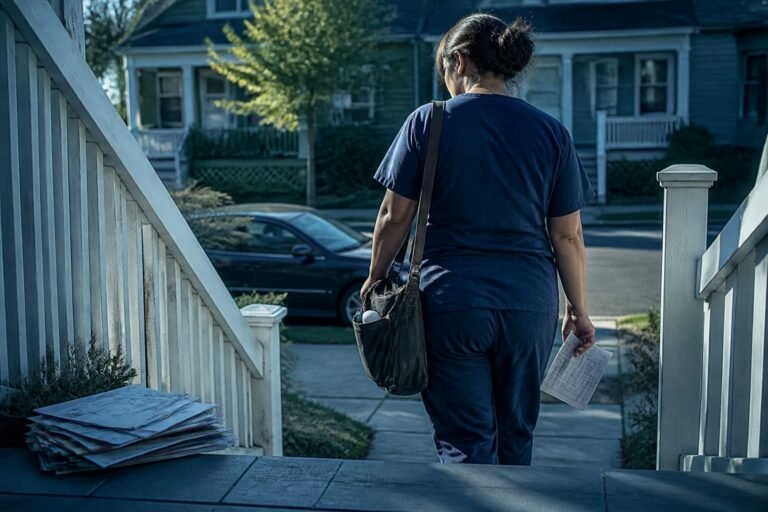
State and federal labor investigations indicate Long Island employers withheld $3.9 million in wages in 2025, and about 40% of that total involved home healthcare firms. The numbers are drawn from an analysis of closed state and federal probes and encompass multi-employer settlements and court-ordered back pay. Home health aides confront structural risks — low average pay, frequent on-the-job isolation, and disputed rules for live-in shifts — which the state and federal labor agencies say leave the sector especially prone to misclassification and unpaid overtime. (Credit: Newsday)
One of the biggest reasons why companies violate the law is because they think that it's so unlikely that they're going to ever be caught.
Janice Fine, director of the Workplace Justice Lab at Rutgers University
Key takeaways
- Total identified wage theft in 2025: State and federal investigations identified $3.9 million in stolen wages on Long Island in 2025.
- Share from home healthcare: Nearly 40% of the $3.9 million deemed stolen in 2025 was attributed to home healthcare employers.
- Longer-term tally: Between 2017 and 2025 Long Island home care companies were found to owe more than $11.6 million to nearly 8,000 employees.
- Largest single employer liability: No other local home care agency has a larger back-wage burden than Valucare Inc., which is responsible for over $4 million owed to roughly 2,700 people.
Table of contents
Why home healthcare accounts for so much of the shortfall
The region’s growing demand for in-home care helps explain part of the enforcement numbers: more clients and more aides expand the exposure to wage disputes. Home care jobs pay low wages — the U.S. Bureau of Labor Statistics put the average for home care aides at $39,620 in 2025 — and the workforce includes many immigrants and women, which advocacy groups say raises vulnerability to exploitation.
Job structure matters. Live-in aides are typically paid for 13 hours of work per day under state rules only if they get specified rest periods; whether down time was actually uninterrupted becomes a frequent point of contention when only the aide and the client can testify. Those pay arrangements, combined with isolated shifts and informal scheduling, make accurate timekeeping difficult and create fertile ground for misclassification and unpaid overtime.
Labor advocates and union representatives also point to staffing shortfalls and economic pressure on providers. Medicaid reimbursement rates that fail to cover costs can squeeze agencies’ payroll practices, while limited oversight resources make enforcement less immediate for workers who are owed money.
Enforcement, collections and where the system falls short
Recovered amounts lag far behind findings of liability. The state Department of Labor determined that Long Island home care aides are owed $4.75 million, but records indicate only about 25% of that sum has been collected. By contrast, the U.S. Department of Labor reports it recovers roughly 90% of owed back wages in its cases, a substantially higher collection rate than the state's.
New York has given the state Department of Labor broader powers in recent budgets — including the ability to place liens, seize assets and issue stop-work orders — and those tools have been used more this year than last: the department issued two asset seizures last year compared with 135 so far this year, and it issued 788 liens in 2025 and 98 so far this year, according to the agency.
Still, workers and attorneys warn that administrative findings and court judgments do not always translate into cash for employees. Lawyers and advocates describe long delays, appeals and practical limits on forcing payment, while some employers resolve cases by agreeing to back pay without penalties that would deter repeat violations.
Cases on the ground and the policy response
Individual cases illustrate the consequences. Patrick Atta, a former live-in aide, is slated to be paid $35,000 in unpaid wages plus almost $38,000 in damages following a $6.4 million settlement tied to Serene Home Nursing Agency and nearly 500 aides. Katrina Kalish, who worked for Pamper Our Parents in 2016, was named in a state action that produced a court judgment ordering the company to pay more than $220,000 to workers; she says she still has not received the money.
Some firms have been cited repeatedly. That analysis shows roughly one in three Long Island home healthcare companies were found to owe back wages on at least two occasions between 2017 and 2025. Valucare Inc. leads in total liability, with obligations exceeding $4 million to about 2,700 people, and other employers have settled with federal authorities — for example, Friends For Life reached a $250,000 agreement with the U.S. Department of Labor.
Lawmakers and advocates are proposing tougher tools. State Sen. Shelley Mayer sponsored legislation to allow suspension or denial of business licenses for employers found to commit wage theft, and the state has recently expanded enforcement remedies. At the same time, industry trade groups say complex and sometimes conflicting federal, state and local rules create confusion that leads to mistakes as well as abuses.
| Employer | Amount owed | Approx. workers affected | Action |
|---|---|---|---|
| Valucare Inc. | More than $4 million | Roughly 2,700 | Listed in state records as largest liability |
| Serene Home Nursing Agency | $6.4 million settlement | Nearly 500 aides | Federal settlement with back pay and damages |
| Pamper Our Parents | $220,000 (court judgment) | 14+ workers in the case | State action, judgment ordered |
| Friends For Life | $250,000 settlement (federal) | Not specified | Settlement with U.S. Department of Labor |
How enforcement and markets could push outcomes
The case for
- Expanded state powers — liens, asset seizures and stop-work orders — and a recent uptick in seizures and liens could increase collections from employers with judged liabilities.
- Federal enforcement tends to collect a larger share of ordered back wages; the U.S. Department of Labor reports collecting roughly 90% of owed wages in its cases.
The case against
- State collection has lagged: of $4.75 million found due to Long Island home care aides, only about a quarter has been paid, leaving many workers unpaid despite judgments.
- Labor agencies remain thinly staffed; the division of the U.S. Department of Labor that enforces wage rules had 590 investigators nationwide as of August, a level described by researchers as a decades-long low that limits casework.
What to be careful about
- Isolated work and contested live-in pay rules create disputes that are hard to prove without corroborating witnesses.
- Misclassification as independent contractors removes overtime protections and complicates recovery; several local employers were found to have misclassified aides.
- Even after administrative or court wins, practical barriers — appeals, delayed enforcement and limited levy options — can prevent workers from receiving ordered back wages.
The bottom line
The enforcement record shows both the scale of wage shortfalls tied to home care and the limits of existing remedies. Investigations identified $3.9 million in wage theft for 2025 and more than $11.6 million owed by home care employers from 2017 to 2025, yet many workers still have not been paid. Recent expansions of state enforcement powers and a surge in liens and seizures this year signal stronger tools, but staffing limits and collection gaps mean policy changes and resourcing will determine whether findings become cash in workers’ pockets.
What to watch
- Watch for any legislative movement on Sen. Shelley Mayer’s bill S2078 to allow suspension or denial of business licenses for wage-theft offenders; no date has been set.
- Watch for the New York Department of Labor to publish updated totals on recovered wages and enforcement actions; no date has been set.
Frequently asked questions
How much did Long Island employers withhold in 2025 according to the investigations?
State and federal investigations identified $3.9 million in wages withheld on Long Island in 2025, and nearly 40% of that sum was tied to home healthcare employers.
Are workers actually receiving the back wages ordered by investigators?
Collection varies: federal investigators report recovering roughly 90% of owed back wages in their cases, but the state has paid only about a quarter of the $4.75 million it found due to Long Island home care aides.
What makes home health aides especially vulnerable to wage theft?
Factors cited include low average pay ($39,620 in 2025 per BLS data), isolating job duties, frequent use of live-in shifts with contested rest-hour pay rules, and a workforce composition with many immigrants and women.
Related reading