
Estimated reading time: 5 minutes · Last updated:
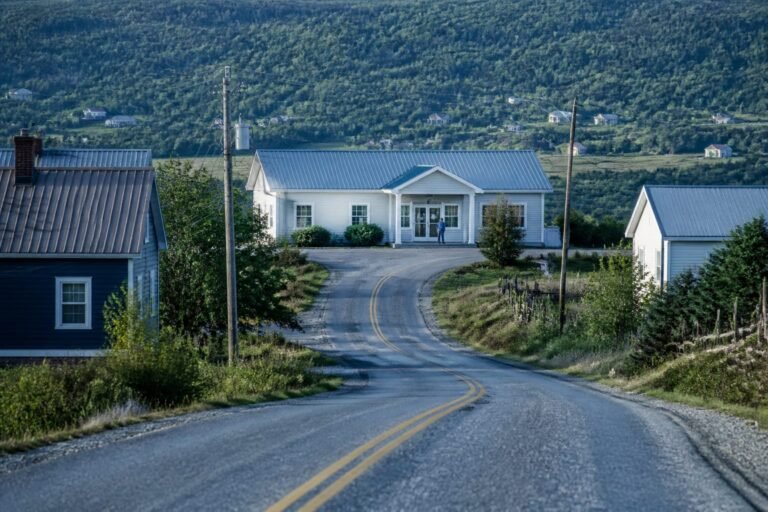
Residents across Ayre and Michael on the Isle of Man told local reporters that the VAT burden on hospitality and long waits for health care are among their top concerns ahead of the House of Keys vote. The constituency is the largest by landmass of the Isle of Man's 12 constituencies. Pub operators said the 20% VAT charged on prepared meals is hitting margins and being passed to customers, while one patient reported a seven-hour wait in A&E and another said a requested GP appointment made in January could not be scheduled until May.
So 20% of every meal that we serve here straight away goes to the VAT man.
Mark, pub owner in Sulby
Key takeaways
- Constituency: Ayre and Michael is the largest by landmass of the Isle of Man's 12 constituencies.
- VAT impact: Local hospitality businesses said a 20% VAT on prepared meals is reducing margins and being passed on to customers.
- Health access: A resident reported waiting seven hours in A&E, and another said a January request for a doctor could not be scheduled until May.
- Other local issues: Voters also raised ferry fare volatility, limited evening and Sunday bus services, a shortage of social housing and coastal erosion.
Table of contents
- Key takeaways
- VAT on hospitality: why local operators want a change
- Long waits and patchy primary care: how residents describe the health service
- Transport, housing and the coast: everyday services under strain
- How the concerns could drive local priorities
- What to be careful about
- Frequently asked questions
VAT on hospitality: why local operators want a change
Owners of small hospitality businesses across Ayre and Michael described rising costs and the impact of VAT on their ability to trade. Mark, who runs a pub in Sulby, said input costs have risen “over the past two or three years” and that the current VAT treatment makes it hard to keep prices low. He explained that raw ingredients are supplied without VAT but prepared meals attract a 20% charge at point of sale, a margin squeeze he said is ultimately carried by customers.
Other small-business operators framed the same problem differently but reached the same conclusion. Lee, who runs a tearoom in Bride with Lynsey, said businesses feel penalised once sales cross the VAT threshold because they must add 20% at point of sale and cannot pass through the corresponding VAT on ingredients to reclaim it. Both Mark and Lee linked lower tourism demand outside peak season to ferry pricing and suggested that any relief on the 20% rate or a targeted local scheme would ease pressure on rural hospitality operators.
Long waits and patchy primary care: how residents describe the health service
Health services emerged as the single biggest public-service worry in conversations across northern parishes. Lynn said she spent seven hours in A&E recently and described staffing levels as inadequate: "There's not enough doctors and nurses on, the system is broken, it needs to be sorted," she said. Another resident described trying to make an appointment in January and being told no doctor appointment was available until May, a delay that residents said damages confidence in local care.
Those accounts point to two practical impacts: lengthy emergency-department waits and limited access to primary appointments. Residents linked both problems to staff shortages and to a perception that the system's scheduling and resourcing are not matching demand. The frustration expressed is also political: several people said difficulties accessing routine care make younger graduates less likely to return to the island after university.
Transport, housing and the coast: everyday services under strain
Transport — both ferry pricing and local buses — featured in multiple villages. In Jurby, Sarah and Simon at the parish shop said ferry fares fluctuate sharply: Simon said one day a foot passenger fare is set, and on another it can be three times higher, and Sarah added that sometimes it is cheaper to fly and hire a car than to go by boat. Lynsey and Lee in Bride raised the practical effect of limited timetables, saying buses after 18:30 are rare and that Sunday services are minimal, which they say reduces footfall for businesses and limits social options for younger people.
Housing and coastal protection also appear on the local agenda. Malcolm, a former vicar in Kirk Michael, said graduates often cannot afford local housing. He and others also raised coastal erosion as a continuing worry, with one local estimating the shoreline is retreating "a metre a year at a guess" and saying residents have seen little action to protect vulnerable stretches. Councillors' constrained budgets were mentioned repeatedly: Debbie said the commissioners had been given costings but "they've got no money in the pot to actually do anything."
How the concerns could drive local priorities
The case for
- A targeted reduction or relief on the 20% VAT rate for prepared meals would directly reduce the price burden hospitality operators say they pass to customers, an idea local owners suggested.
- Lower or more stable ferry fares and expanded evening or Sunday bus timetables could increase off-peak visitor numbers and help rural businesses sustain trade beyond the summer season.
The case against
- Local officials and business owners said council budgets are tight; Debbie said commissioners have ‘‘no money in the pot,’’ which limits the scope for local investment in maintenance or coastal defences.
- Residents reported staffing shortages in health services; without additional recruitment or retention measures, long emergency waits and delayed GP access are likely to persist.
What to be careful about
- Local government budget constraints could prevent action on road, verge and coastal maintenance, leaving infrastructure deterioration unaddressed.
- Persistent staffing gaps in healthcare risk continued long A&E waits and difficulty booking primary-care appointments.
- Volatile ferry pricing and limited bus services risk suppressing off-season tourism and reducing trade for rural businesses.
The bottom line
Voters across Ayre and Michael described a mix of everyday pressures: a 20% VAT that hospitality operators say they pass to customers, long and visible delays in local health services, and transport and housing strains that affect both business and community life. Those concrete complaints — repeated in several parishes and voiced by named residents — point to a set of practical fixes (tax relief, timetable changes, investment in staff and coastal defences) rather than abstract reform. Whether those fixes appear in the priorities of newly elected House of Keys members will determine whether these local frustrations translate into policy change.
What to watch
- Watch for the priorities published by newly elected House of Keys members; no date has been set for their manifesto responses.
- Watch for any government statement or local council announcement on ferry fares or bus timetables; no date has been set.
- Watch for announcements on coastal protection funding or project plans for Kirk Michael; no date has been set.
Frequently asked questions
What are the main complaints from residents in Ayre and Michael?
Residents named VAT on prepared meals (20%), long waits for emergency care including at least one seven-hour A&E wait, volatile ferry fares and limited evening and Sunday bus services as the principal local concerns.
Why do hospitality operators object to VAT on meals?
Operators say raw ingredients arrive without VAT but prepared meals attract 20% at sale, meaning businesses feel they must pass that cost to customers rather than reclaiming equivalent input VAT.
How severe are the reported healthcare access problems?
Accounts in the constituency included a seven-hour A&E wait and a patient who said a January request for a doctor could not be scheduled until May, which residents link to staffing shortfalls.
Related reading