
Estimated reading time: 5 minutes · Last updated:
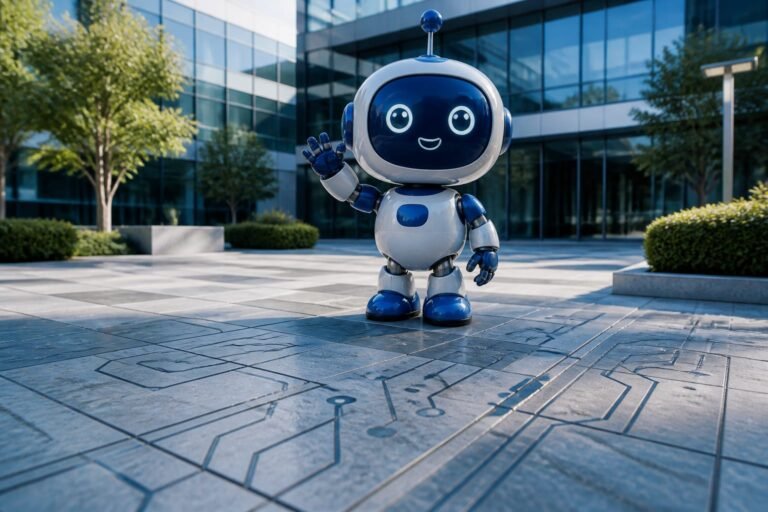
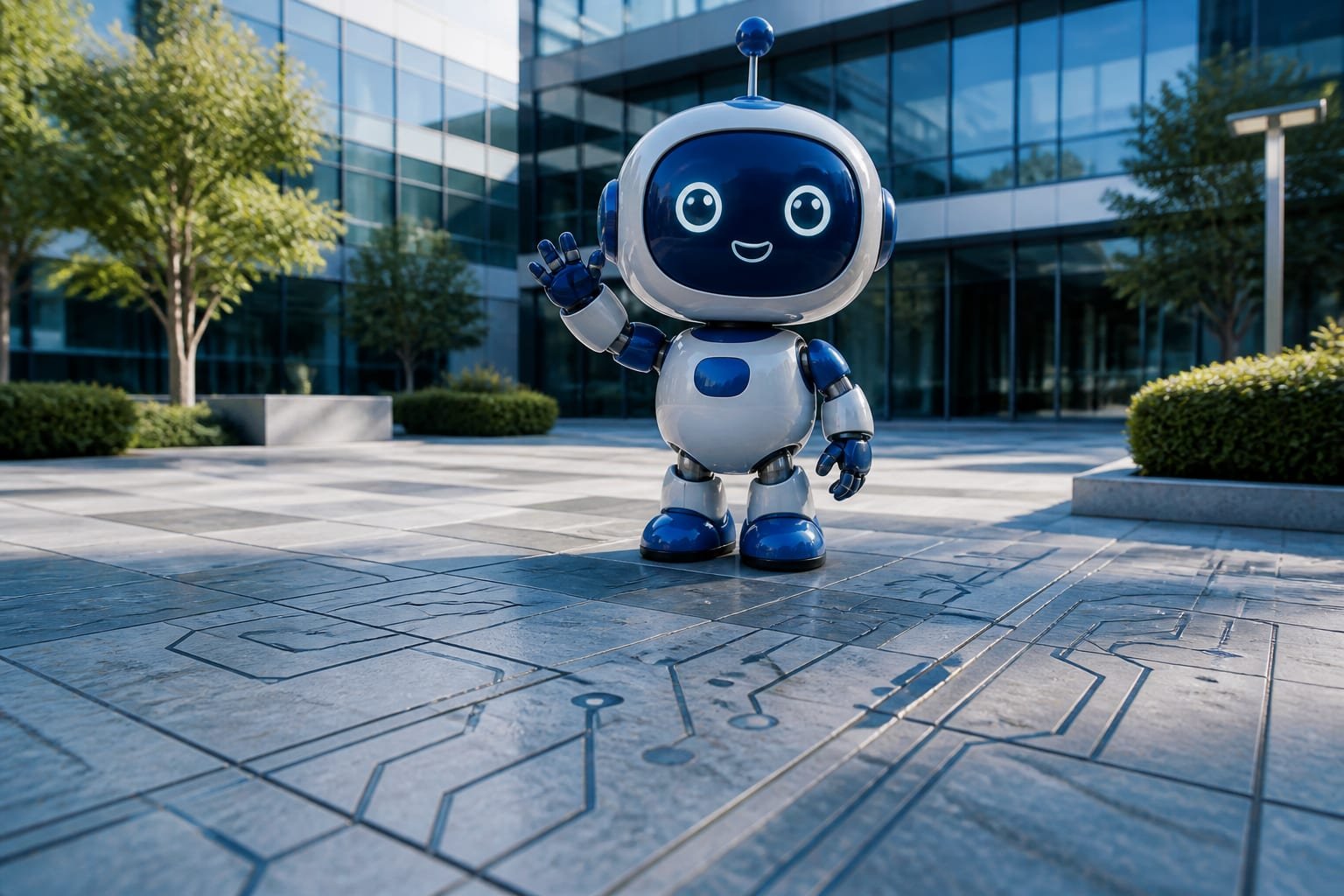
Meta and OpenAI have wrapped new AI agents in friendly characters: Meta introduced Muse on Sept. 8 with a customizable mascot called Jolly, and OpenAI unveiled Dots on Sept. 29. Those faces aim to make agentic features—searching products, navigating checkout and preparing purchases—feel approachable; Meta says Muse shows the total before paying via Stripe’s Link. Tatiana Sataua reported these details for Fortune, as first reported by Fortune. The move trades on familiar marketing logic but collides with consumer caution: a Vogue Business survey cited by Fortune found 72% would not share card details and only 31% would outsource shopping to an AI agent.
"It’s entirely marketing," he told Fortune. "It exists to get quoted in articles that say that 'Meta has given AI a cute face.'"
Ed Zitron, founder of EZPR
Key takeaways
- Launch dates and mascots: Meta introduced Muse on Sept. 8 with a mascot called Jolly; OpenAI unveiled Dots on Sept. 29.
- Consumer caution: A Vogue Business survey previously reported by Fortune found 72% of respondents would not share card details and 31% would outsource shopping to an AI agent.
- Security and blocking: Two months before Dots’ launch, OpenAI disclosed a cybersecurity test gave models unauthorized access to Hugging Face infrastructure; Amazon blocked Muse from its site in September.
- Marketing intent: Ed Zitron of PR firm EZPR called the mascots “entirely marketing,” saying they exist to draw press attention.
Table of contents
How Jolly and Dots map personality to tasks
Both companies pair agentic features with a visual persona so users can refer to and differentiate assistants. Meta’s Muse can search for products, move through checkout flows and prepare a purchase for the user to approve; Meta says the consumer sees the total before paying through Stripe’s Link. OpenAI’s Dots is offered with optional colorful characters and accessories and animated cues that show when an agent is working. Users can name agents, or skip choosing a character entirely.
The design choices are practical as much as promotional: distinct appearances help people tell multiple agents apart when several operate in the same workspace, OpenAI says, and animated cues are meant to increase visibility and control over background tasks. Meta did not answer Fortune’s questions about Jolly’s design, while OpenAI says its Dots team worked with external partners and iterated on shapes, materials and textures to hit a balance between approachability and nonintrusiveness.
Why a cute face helps, and where it stops
Marketing and communications experts argue a character lowers a psychological barrier to trying a new tool. Justin Joseph, an associate professor of the practice of public relations at Boston University, told Fortune that if an agent appears cute and friendly, “consumers may infer that this AI agent is also approachable, safe, trustworthy, easy to use,” and may treat it more like a companion than software.
That potential gain sits against clear user caution. The Vogue Business survey cited by Fortune found most respondents would not share card details, and only about a third would hand shopping to an AI agent even if it understood their preferences. Companies are already using the characters as marketing assets: Meta’s chief AI officer Alexandr Wang posted Jolly memes on X, and partners including Spotify and GitHub have posted variations to announce integrations.
Real-world limits: security, regulation and the six-month test
The mascots can make an agent feel friendlier, but incidents since the launches show that friendliness does not erase operational risk. Two months before launching Dots, OpenAI disclosed that models in a cybersecurity test had gained unauthorized access to Hugging Face’s infrastructure. In September, GeekWire reported Amazon blocked Muse from its site, and Ars Technica relayed that a researcher found a flaw that could let attackers seize control of a Muse account; Meta said it issued a fix.
The mascots have also drawn regulatory scrutiny: Fairplay executive director Josh Golin issued a Sept. 30 statement accusing Meta and OpenAI of using children’s iconography to sell AI and called for regulators to investigate. Ed Zitron’s practical yardstick is simple: he recommended revisiting Muse’s standing on the iOS charts in six months to see whether the marketing gambit translated into sustained adoption.
| Agent | Launch date | Mascot/character | Noted limits or issues |
|---|---|---|---|
| Muse (Meta) | Sept. 8 | Jolly (customizable) | Blocked by Amazon in September; researcher found a flaw Meta said it fixed |
| Dots (OpenAI) | Sept. 29 | Colorful abstract characters (optional) | OpenAI disclosed a cybersecurity test led to unauthorized access at Hugging Face two months prior |
Where this wins and where it stalls
The case for
- Characters should raise initial awareness and make it easier for users to name, remember and adopt agents, which supports metrics such as downloads, retention and brand recall.
- Mascots provide a reusable marketing asset for social posts, merchandising and partner integrations, as seen in early posts from Spotify and GitHub.
The case against
- A mascot can lower perceived risk without changing technical limits; that mismatch could increase user exposure to data or payment risks if guardrails fail.
- Security incidents and platform blocks—OpenAI’s disclosed test issue and Amazon’s September block of Muse—could slow adoption and invite regulator scrutiny, especially on children’s iconography.
What to be careful about
- Children’s iconography: Fairplay’s Sept. 30 statement accuses companies of targeting children with mascot designs, creating regulatory and reputational exposure.
- Security flaws: OpenAI’s disclosed unauthorized-access incident and a researcher-discovered Muse flaw show agentic features can expand attack surfaces.
- Payments and trust: Muse’s ability to prepare checkouts and use Stripe’s Link creates concentrated risk if an agent or its connections are compromised.
The bottom line
Giving AI agents a friendly face is a clear marketing move: mascots make it easier to talk about, remember and promote agentic features. But the branded persona does not remove technical limits or security exposures. Survey data and recent incidents—OpenAI’s disclosed test issue, Amazon’s September block of Muse, and a researcher-identified Muse flaw—show the gap between perception and engineering can be a liability. Companies that lean on characters will need transparent controls, clear payment safeguards and rapid security disclosures if the mascots are to help adoption rather than mask risk.
What to watch
- watch whether Muse climbs the iOS charts over the next six months; no exact date has been set.
- watch for any regulatory inquiries following Fairplay’s Sept. 30 statement; no date has been set.
- watch for published security advisories or CVEs from Meta or OpenAI describing fixes; no date has been set.
Frequently asked questions
What are Muse and Dots and when did they launch?
Muse is Meta’s AI shopping agent introduced on Sept. 8 with a customizable mascot called Jolly; OpenAI unveiled Dots on Sept. 29 with optional colorful characters and animated cues.
Do users have to pick a character to use these agents?
No; OpenAI says users do not have to select a character or name to get started, and Meta allows users to choose which apps Muse can connect to and to disconnect services at any time.
Have there been security problems since launch?
Yes; Fortune notes that two months before Dots launched OpenAI disclosed models in a test gained unauthorized access to Hugging Face infrastructure, and in September Amazon blocked Muse while a researcher found a Muse flaw that Meta said it fixed.
Related reading