
Estimated reading time: 5 minutes · Last updated:
On September 14, 2026 Miami Beach commissioners voted 4-3 to approve a marketing agreement tied to Grand Theft Auto VI that could deliver up to $4 million from Rockstar Games. The deal allows Rockstar’s contractor, Amplify Marketing, to place logos and other marketing on equipment used by beachfront concessions and on additional city-owned locations the city manager designates. The vote, first reported by Miami New Times, divided the commission between concerns about protecting the city's brand and pursuing revenue, and drew vocal objections from Commissioner David Suarez and others who argued the city should not host advertising connected to violent game content.
I feel like I'm in a 'Black Mirror' episode, why are we ok with this?
Commissioner David Suarez
Key takeaways
- Vote: Miami Beach commissioners voted 4-3 on September 14, 2026 to approve the marketing agreement.
- Potential revenue: The agreement could bring the city up to $4 million from Rockstar Games via Amplify Marketing.
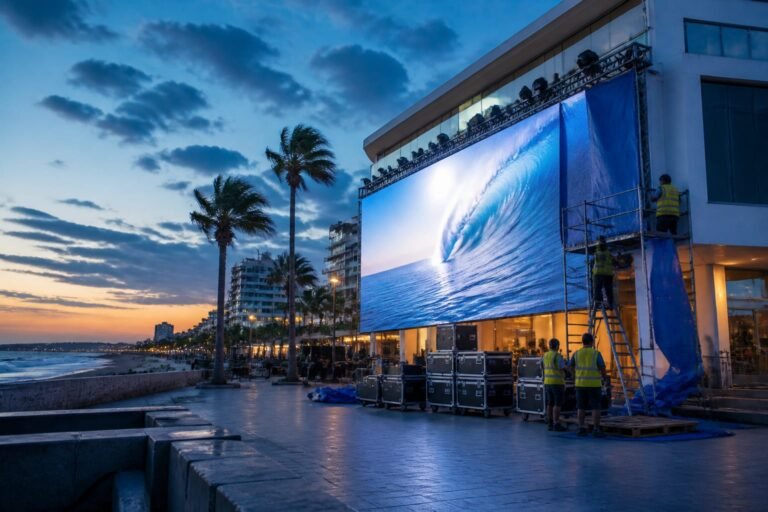
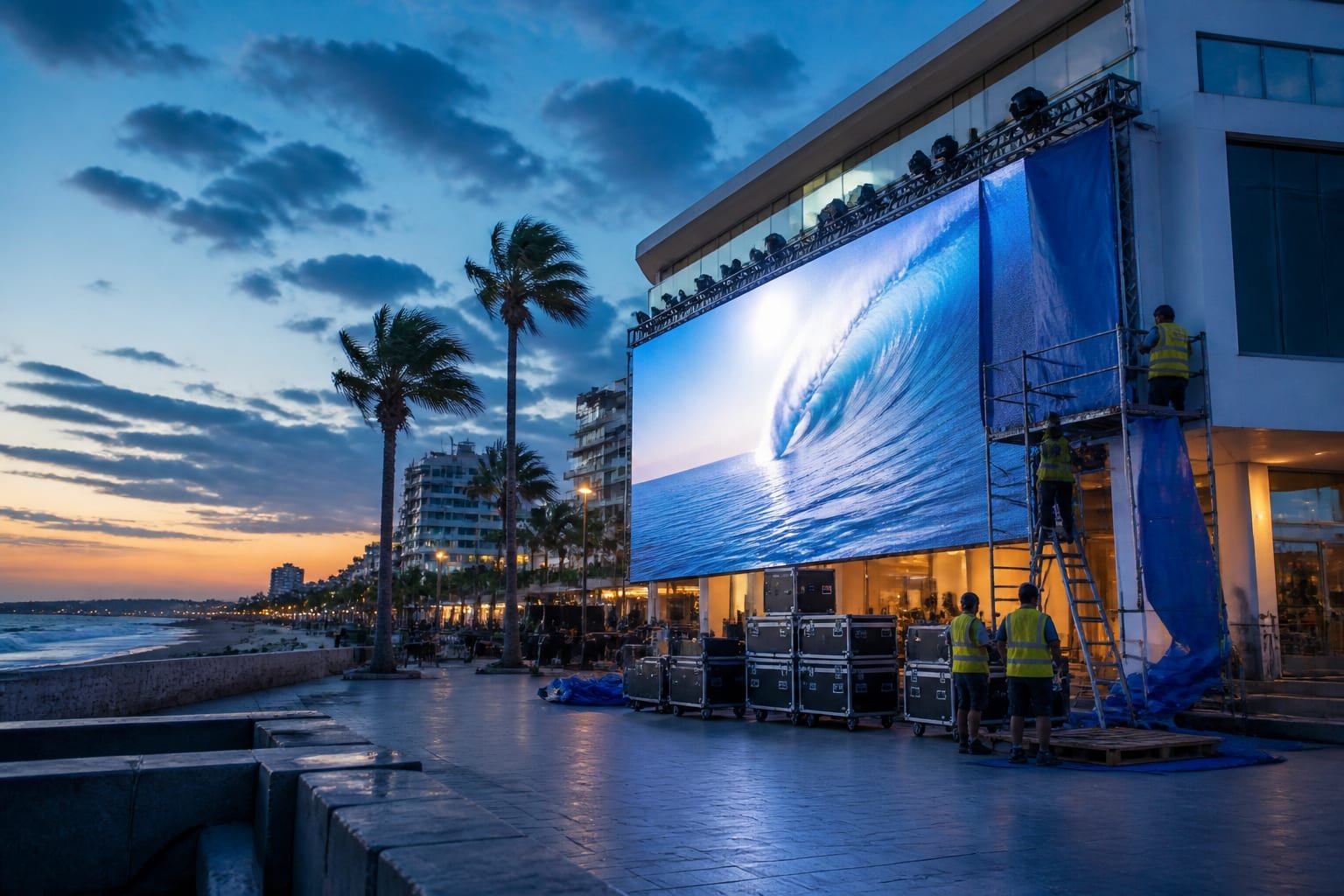
- What it allows: Under the contract, Amplify Marketing may place signage and other advertising on equipment used by beachfront concessions and on additional city-owned sites if the city manager selects them.
- Opposition: Mayor Steven Meiner and Commissioners Alex Fernandez and David Suarez voted no.
Table of contents
What commissioners approved and how the deal is framed
On September 14, 2026 the Miami Beach commission authorized a marketing agreement tied to Rockstar Games’ upcoming release of Grand Theft Auto VI, scheduled for November 19, 2026. The terms appended to the resolution permit Rockstar’s contractor, Amplify Marketing, to attach logos and other advertising to equipment used by beachfront concessions and to occupy other city-owned sites if the city manager approves them. Supporters on the council described the measure as a revenue opportunity, saying the city could receive as much as $4 million under the arrangement.
Supporters also argued the franchise will market itself regardless of the city’s choice and that participating lets Miami Beach shape how the city is represented. Opponents countered that the city rarely permits commercial advertising on beaches and that allowing a multibillion-dollar franchise to use public assets risks diluting a core public good. The final vote was four in favor, three opposed.
Why the commission split: safety, image and revenue
The debate split along familiar lines: proponents cited direct revenue and engagement with a major entertainment property; opponents raised image and safety concerns. Commissioner David Suarez argued the city had spent "over a million dollars over the past three years on a spring break marketing campaign" to avoid an image of chaos and lawlessness, and he warned that hosting GTA branding sends the wrong message about police and public safety. Suarez framed his objection around the game’s violent content and the symbolic value of Miami Beach’s public spaces.
Commissioner Monica Matteo-Salinas and others pushed back. Matteo-Salinas said approving the campaign is not an endorsement of in-game actions and noted the audience is largely gamers, a constituency she counts herself among after first playing the series in 1997. Commissioner Joseph Magazine argued the city can either sit out a narrative that already uses Miami as a setting or participate and capture revenue for public services; that practical trade-off carried enough weight to pass the measure.
How the marketing will be deployed and who benefits
The signed resolution gives Amplify Marketing authority to use designated city assets for discreet promotional placements. The language attached to the commission’s approval specifies beachfront concession equipment as allowed locations and empowers the city manager to designate other city-owned property. The agreement text and the resolution filed with the commission document those permissions.
Commission Suarez pointed out that roughly half the money would flow to a private concessionaire rather than directly to city coffers, a split he said undercuts the idea that the arrangement is a pure public benefit. The source materials name Rockstar Games and Amplify Marketing as the private parties; they do not identify the concessionaire by name in the documents provided to the commission.
Political and brand risks for Miami Beach
Approving corporate branding on public beaches creates political exposure for elected officials and a potential reputational cost for the city. The decision drew immediate criticism from law-enforcement figures in the region: Miami-Dade County Sheriff Rosie Cordero-Stutz had publicly blasted a similar idea at the county level, and the sheriff’s office did not respond to requests for comment on the Miami Beach vote. That existing friction suggests protests or formal objections are possible.
Beyond protests, the city risks setting precedent: commissioners who allowed one high-profile advertising exception may face pressure to approve other commercial uses of public assets when the price is high. That dynamic is precisely what opponents warned about during the meeting — that public beaches could become ad space once the exception is made.
How this could play out
The case for
- The city receives up to $4 million in revenue that can be allocated to beach maintenance or other priorities.
- Participation lets Miami Beach influence how the city is portrayed in Rockstar’s marketing and may secure concessions on placement and content.
The case against
- Public backlash from residents and local officials, including possible formal objections from Miami-Dade law enforcement, could force the city to revisit or limit the program.
- The decision creates a precedent for commercial advertising on beaches, increasing pressure to approve future ad deals and risking erosion of existing restrictions.
What to be careful about
- Short-term public and political backlash over hosting branding tied to violent game content.
- Damage to Miami Beach’s brand if residents and law enforcement portray the move as endorsing unlawful behavior.
- A contractual split that sends roughly half proceeds to a private concessionaire, reducing net fiscal benefit to the city.
- Precedent that normalizes advertising on public beachfront assets, complicating future policy choices.
The bottom line
Miami Beach’s approval of the GTA VI marketing agreement closes a political calculation: the city chose short-term revenue and a role in an anticipated national campaign over strict protection of its beachfront from advertising. The measure could yield up to $4 million and gives Amplify Marketing formal permission to place GTA branding on concession equipment and other designated city property. Opposition remains vocal, and the city now faces the practical task of scheduling placements, managing concessions that receive a share of proceeds, and responding to resident and law-enforcement objections as the game’s November 19, 2026 release approaches.
What to watch
- Watch for Grand Theft Auto VI's release on November 19, 2026, when Rockstar’s wider marketing push tied to Miami Beach will become public.
- Watch for the city manager’s rollout schedule for beachfront signage and promotional placements; no date has been set.
- Watch for any formal statement or objection from Miami-Dade County Sheriff Rosie Cordero-Stutz; no date has been set.
Frequently asked questions
How much could Miami Beach receive from this deal?
Documents presented to commissioners say the agreement could bring the city up to $4 million from Rockstar Games.
How did the commission vote on the agreement?
Commissioners voted 4-3 on September 14, 2026; Tanya Bhatt, Laura Dominguez, Joseph Magazine, and Monica Matteo-Salinas voted yes, while Mayor Steven Meiner, Alex Fernandez and David Suarez voted no.
What does the agreement allow Amplify Marketing to do on city property?
The contract authorizes Amplify Marketing to affix logos and promotional displays to beachfront concession gear and to use other municipal properties the city manager designates.
Related reading