

Estimated reading time: 6 minutes · Last updated:
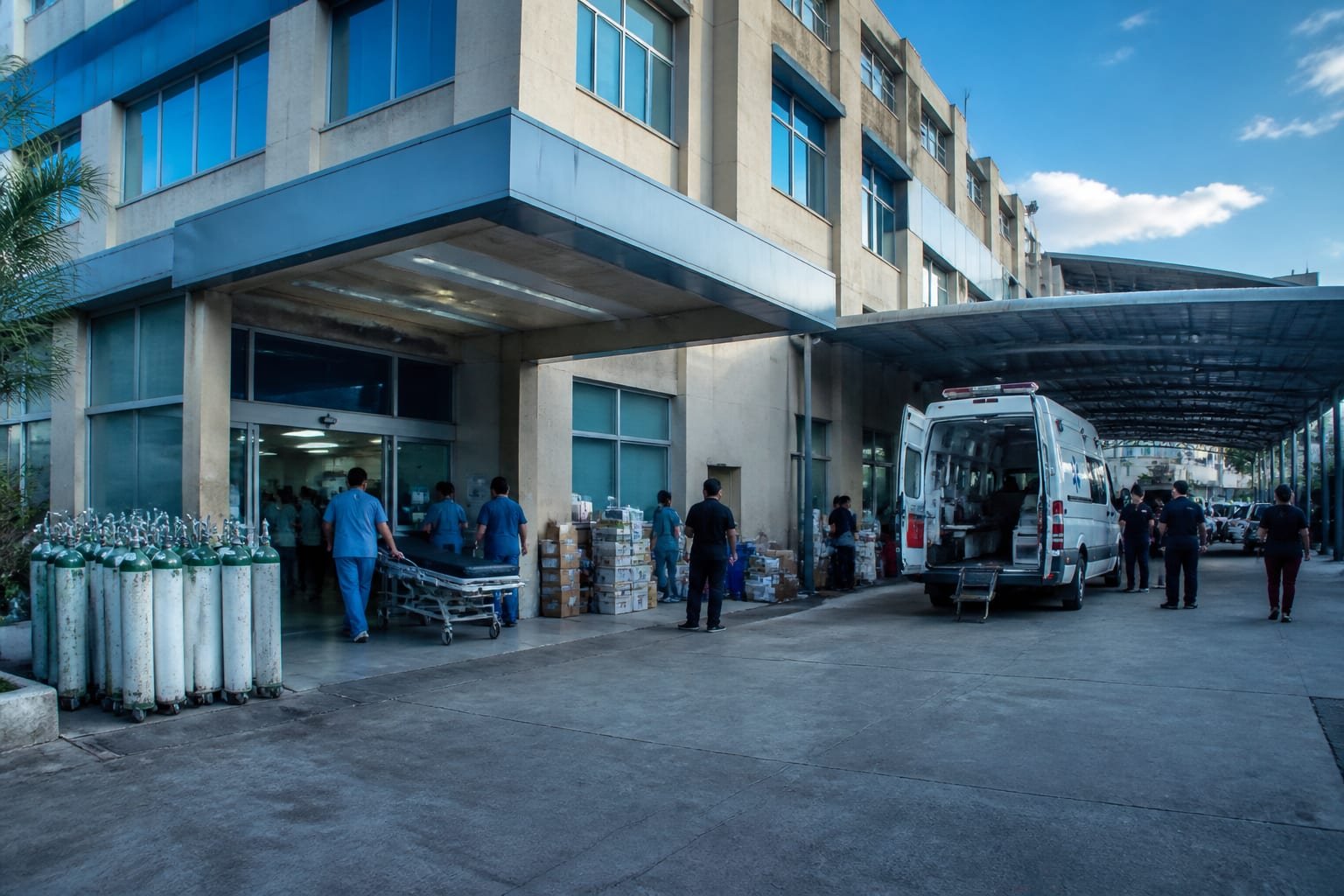
Médecins Sans Frontières (MSF) warns Sudan's health system is close to collapse after global funding cuts and repeated attacks on medical services. The war that began in April 2023 has left more than 33 million people needing medical assistance, MSF says, and international aid fell by 21.3% in 2025, the OECD reports. MSF staff report rising patient loads — admissions in central Darfur jumped by 22.5% between January and April 2026 — while dozens of clinics have closed because grants ended in June and some organisations left. MSF is urging world leaders meeting at the UN General Assembly to act to stop further service collapse.
War is driving Sudan's needs; funding cuts are shrinking the response,
Muhammad Ibrahim, head of charity in Sudan for Médecins Sans Frontières (MSF)
Key takeaways
- Scale of need: MSF says more than 33 million people in Sudan need medical assistance following the war that began in April 2023.
- Aid decline: The OECD reported international aid fell globally by 21.3% in 2025, a decline MSF says has already closed services in Sudan.
- Rising demand: MSF recorded a 22.5% increase in admissions in facilities it supports in central Darfur between January and April 2026.
- Facility closures: In May 2026, MSF said 45 healthcare centres in central Darfur stopped receiving funding and frontline services shut.
- Attacks and fatalities: MSF reports 1,620 people were killed in attacks on medical facilities in 2025, which it says accounted for 82% of global deaths from attacks on healthcare.
Table of contents
- Key takeaways
- How deep the emergency is: numbers and immediate effects
- Funding cuts, donor shifts and service closures
- Frontline consequences: camps, referrals and patient journeys
- Violence, food insecurity and the compounding shocks
- How this could evolve
- What to be careful about
- Frequently asked questions
How deep the emergency is: numbers and immediate effects
MSF and United Nations figures place the humanitarian toll in stark terms: the war that began in April 2023 has produced acute medical need and displacement, and MSF says more than 33 million people need medical assistance. That demand has arrived as global funding has fallen — the Organisation for Economic Co-operation and Development (OECD) reported that international aid fell globally by 21.3% in 2025. MSF links that decline to grant cycles ending in June and to the closure of a major US delivery channel last year.
The result is a shrinking network of frontline services. MSF recorded a 22.5% increase in admissions at facilities it supports in central Darfur between January and April 2026 compared with the same period the year before, signaling both higher need and pressure on fewer centres. In May 2026, MSF reported that 45 healthcare centres in that area had stopped receiving funding, forcing patients to travel farther for care.
Funding cuts, donor shifts and service closures
MSF attributes closures to the loss of external grants that sustained many clinics: existing grants to USAID-funded organisations ran out in June, and European governments were also reducing assistance, the charity said. MSF also noted the US had closed USAID last year, which it described as the largest donor to Sudan; where those delivery channels ceased, local partners struggled to replace the money.
Those funding gaps translate directly into closed wards and fewer medicines. MSF gave Tanedba camp in Gedaref state as an example: a maternity and surgical ward there shut after a humanitarian organisation left in June, leaving MSF to run an emergency room while pregnant women who need surgery now face a three-hour trip to the nearest city. The charity warns that longer journeys increase the risk patients arrive in a far more serious condition.
Frontline consequences: camps, referrals and patient journeys
The fall in agency presence is stark in camp settings. MSF says the Um Rakuba camp in Gedaref now has fewer than 10 aid agencies, down from 35 in 2021, and the camp currently hosts around 17,000 people. Tanedba camp accommodates 18,400 displaced people, MSF adds, and the loss of maternity and surgical services there forces referrals that many cannot afford or survive.
MSF emergency coordinator Sebastián Traficante described how longer, costlier trips change clinical outcomes: 'After a longer and more expensive journey, patients often arrive in a much more serious condition, and the hospital may already be full.' That combination — more patients, fewer centres and broken referral chains — concentrates risk in the hospitals that remain and raises the prospect of higher mortality for treatable conditions.
Violence, food insecurity and the compounding shocks
Violence against health services is an additional, measurable shock. MSF says 1,620 people were killed in attacks on medical facilities in 2025, and those deaths accounted for 82% of the worldwide total of fatalities from attacks on healthcare that year. Attacks continue: reports from North Kordofan on Tuesday said at least 11 people were killed in a drone strike on Umm Ruwaba, an army-controlled town, and reports described casualties in a crowded court courtyard.
Hunger and lack of food security are raising demands on healthcare. The UN estimates that more than 19.5 million people in Sudan are experiencing 'crisis levels' of food insecurity, while over five million are at 'emergency levels' of hunger. That mix of malnutrition, displacement and damaged services makes public health problems harder to treat and increases the burden on the shrinking pool of operational clinics.
| Location | People affected / hosted | Service change cited | Source |
|---|---|---|---|
| Tanedba camp (Gedaref) | 18,400 | Maternity and surgical wards closed; MSF running emergency room | MSF |
| Um Rakuba camp (Gedaref) | Around 17,000 | Aid agencies fell from 35 in 2021 to less than 10 | MSF |
| Central Darfur (MSF-supported facilities) | N/A | Admissions up 22.5% Jan–Apr 2026 | MSF |
How this could evolve
The case for
- World leaders meeting at the UN General Assembly could pledge emergency funds or restore donor channels, which MSF says would allow frontline services to reopen and reduce referral pressure.
- If some European governments reverse reductions and bilateral grants are extended beyond June cycles, clinic staffing and medicine supplies could stabilise in key camps and referral hospitals.
The case against
- If donor reductions persist, more frontline facilities will close and remaining hospitals will be overwhelmed, increasing preventable deaths among people who cannot reach functioning care.
- Continued attacks on medical facilities and renewed offensives in contested states could block humanitarian access and force further agency withdrawals, deepening shortages of staff and medicines.
What to be careful about
- Referral hospitals becoming overwhelmed as local clinics close, increasing the risk patients arrive too late for treatment.
- Higher maternal and surgical mortality where maternity and surgical wards have shut and pregnant women face three-hour journeys to the nearest city.
- Loss of medicines and supply-chain collapse as fewer organisations supply drugs to frontline sites.
- Escalating attacks on health facilities reducing agencies' ability to operate and endangering both patients and staff.
The bottom line
MSF's figures show a system under simultaneous pressure from rising need, donor withdrawal and direct attacks on healthcare. The combination is measurable: admissions in parts of Darfur have climbed while dozens of centres stopped receiving funding and key wards shut in camps that host tens of thousands. Restoring services will require rapid funding commitments and safer conditions for health workers; without that, referrals will fail, medicines will run out and preventable deaths are likely to rise. World leaders meeting at international fora are the immediate opportunity to change that trajectory.
What to watch
- Watch whether world leaders at the UN General Assembly commit new or restored funding for Sudan's health system; no date has been set in the sources.
- Watch for any announcements from major donors about resuming or replacing USAID-era grants; no date has been set in the sources.
- Watch whether international diplomatic consultations in Khartoum lead to negotiated access for aid agencies; no date has been set in the sources.
Frequently asked questions
Why does MSF say Sudan's health system is on the brink of collapse?
MSF points to a large rise in need after the war that began in April 2023 and to funding shortfalls: more than 33 million people need medical assistance, and the OECD reports international aid fell by 21.3% in 2025, leaving clinics without grants that ended in June.
Who is filling gaps left by other aid agencies?
MSF has stepped into some gaps; it reported admissions rose 22.5% in facilities it supports in central Darfur between January and April 2026 and is running emergency services where partners have left, for example in Tanedba camp.
What does this mean for patients in camps and rural areas?
Service closures force longer journeys and higher clinical risk: MSF says 45 healthcare centres in central Darfur stopped receiving funding in May 2026, pregnant women in Tanedba now face a three-hour trip for surgical deliveries, and camps such as Um Rakuba host around 17,000 people with far fewer agencies than in 2021.
Related reading
This article is information, not medical advice. Anyone acting on it should speak to a qualified professional.