

Estimated reading time: 4 minutes · Last updated:
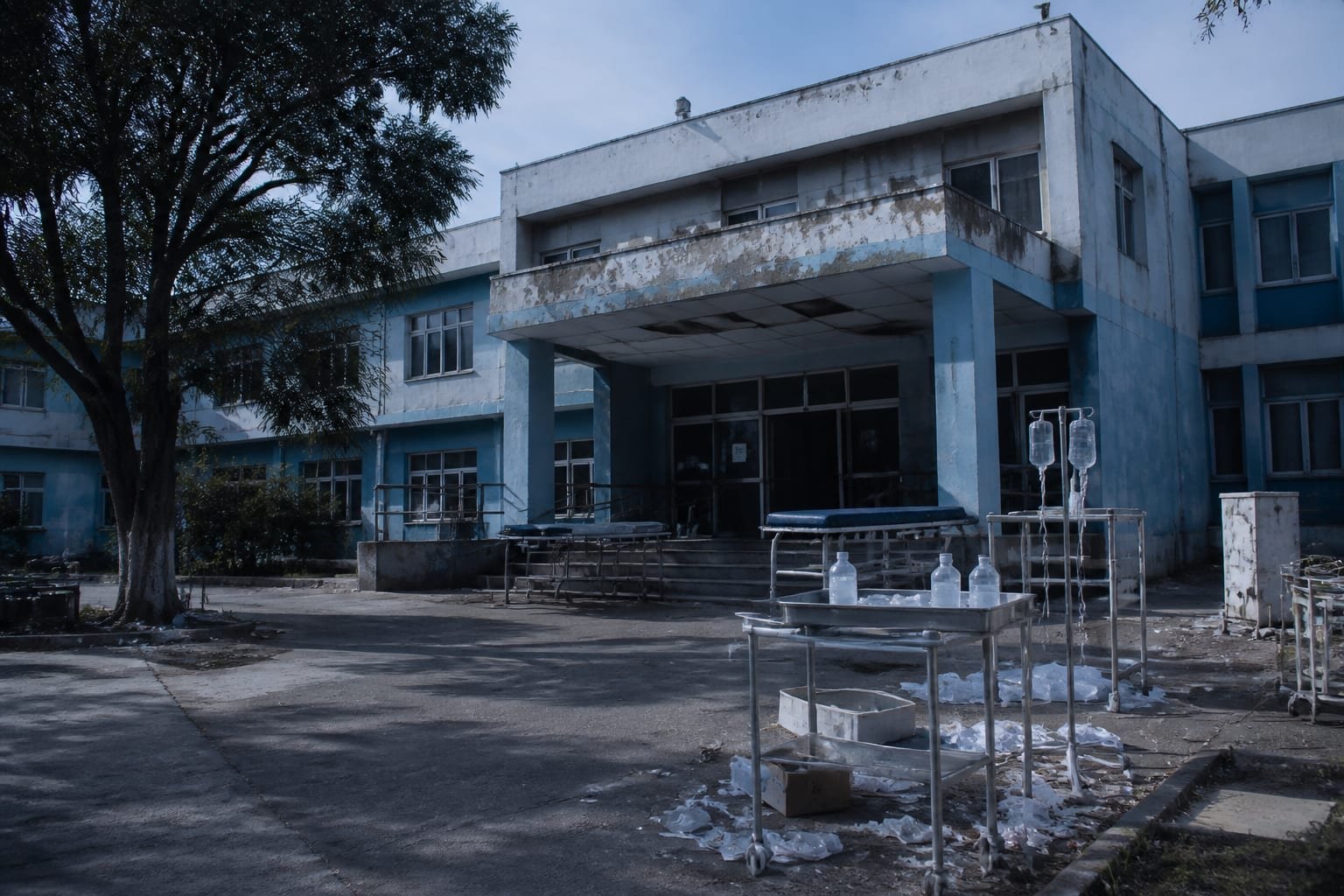
Yemen’s Minister of Public Health and Population, Qasim Buhaibeh, warned on 27 September 2026 that parts of the country face a collapse of health services if declining funding continues. He said 19.3 million people need health assistance while the response has received only 17 percent of the required funding, prompting closures, shortages of medicines and fuel, and cuts to core services. Buhaibeh added that the proportion of facilities operating at full capacity has likely fallen to below 50 percent, a sharp decline from the World Health Organization’s earlier 60 percent estimate, and that these shortfalls put urgent care and chronic treatments at greater risk.
Key takeaways
- People needing assistance: Qasim Buhaibeh says 19.3 million people in Yemen require health assistance and funding has reached only 17 percent of what is required.
- Facility capacity: The minister estimates fewer than 50 percent of health facilities are operating at full capacity; the World Health Organization had cited 60 percent.
- Displacement pressure: Figures cited by the minister show 134,550 people were displaced between June and September 22, with many in Taiz, Lahij and Aden.
- Disease and malnutrition: In 2025 health authorities recorded in excess of 27,000 measles cases, and around half of children under five suffer from chronic malnutrition.
Table of contents
Funding shortfall and immediate service risk
Buhaibeh framed the crisis as financial and operational. He said national health planning is now being driven by a funding gap: 19.3 million people need help and donors have delivered roughly 17 percent of the required response budget through June 2026. That shortfall, he warned, has already forced closures and constrained supplies of medicine, consumables and fuel that clinics require to run.
The minister estimates the share of facilities able to offer their full range of services has fallen to less than 50 percent; by contrast the World Health Organization had put that figure at 60 percent in earlier reporting. The gap between those two figures underscores how quickly capacity can change when financing and logistics tighten.
Services under threat and outbreaks compounding need
Buhaibeh named emergency care, maternal and child health, vaccination and nutrition programmes, dialysis and cancer treatment as especially vulnerable to cuts. He warned that suspending or scaling back these services carries immediate clinical risks: in 2025 there were over 27,000 confirmed measles cases, and low vaccination coverage has coincided with outbreaks of cholera and polio.
Nutrition is a parallel emergency: around half of children under five are affected by chronic malnutrition, increasing their vulnerability to infectious disease and complicating routine therapy. With fewer functioning sites and intermittent supplies, both preventive work and long-term care face growing disruption.
Displacement, reporting gaps and geographic pressure
The minister said 134,550 people were displaced between June and 22 September 2026, with the largest concentrations in Taiz, Lahij and Aden. The International Organization for Migration has reported that almost 130,000 people — roughly 30,000 households — have been forced to move across seven governorates since fighting escalated in early September, increasing pressure on local services.
Buhaibeh said health reporting from Houthi-controlled areas has not been transmitted for nearly a year, preventing a complete national epidemiological picture. That gap in data makes it more difficult to allocate scarce vaccines, supplies and staff to the governorates most in need.
| Issue | Figure cited | Source |
|---|---|---|
| People requiring health assistance | 19.3 million | Qasim Buhaibeh |
| Share of facilities at full capacity | less than 50% (minister); 60% (WHO) | Qasim Buhaibeh; World Health Organization |
| Confirmed measles cases (2025) | more than 27,000 | Qasim Buhaibeh |
| Displaced (June–Sept 22) | 134,550 people | Qasim Buhaibeh |
| IOM displacement since early September | nearly 130,000 people / 30,000 households across seven governorates | International Organization for Migration |
How the situation could improve or worsen
The case for
- If funding rises from the current 17 percent of requirements toward full donor pledges, closed facilities could reopen and supply lines for medicines and fuel would be restored, reducing immediate mortality and morbidity.
- Resumption of health reporting from Houthi-controlled areas would restore a nationwide epidemiological picture and allow vaccination and nutrition campaigns to be targeted where WHO and the ministry identify the largest gaps.
The case against
- If financing remains at roughly 17 percent, more facilities will close, pushing the proportion operating at full capacity further below the minister’s estimate of less than 50 percent and widening care gaps for chronic conditions.
- Continued displacement — reflected in the 134,550 people moved between June and September 22 and IOM’s nearly 130,000 figure — will concentrate need in certain towns and overwhelm remaining services.
What to be careful about
- Shortages of medicines, supplies and fuel that the minister says are already causing closures and service reductions.
- Suspension of health data from Houthi-controlled areas for nearly a year, which prevents a complete national response plan.
- Coincidence of displacement, malnutrition (around half of under-fives) and falling vaccination coverage, which heightens outbreak risk for measles, cholera and polio.
The bottom line
The ministry’s numbers sketch a fast-moving humanitarian emergency: 19.3 million people need health assistance, donors have delivered about 17 percent of the required funding, and capacity has fallen to under 50 percent in the minister’s view. Disease outbreaks, chronic malnutrition among around half of under-fives, and new waves of displacement — including 134,550 people between June and September 22 — are practical pressures on a system already short of supplies and fuel. Restoring funding, data reporting and targeted vaccination and nutrition campaigns would be the immediate levers to prevent collapse in the most exposed areas.
What to watch
- watch for any announcement of resumed health reporting from Houthi-controlled areas; no date has been set.
- watch for donor funding updates that change the aid coverage from its current 17 percent; no date has been set.
Frequently asked questions
How many people in Yemen need health assistance?
The ministry’s figures put 19.3 million people in Yemen requiring health assistance, and funding for the response had reached only 17 percent by June 2026.
Which services are most at risk?
The minister named emergency care, maternal and child health, vaccination and nutrition services, dialysis and cancer treatment as particularly threatened by the funding shortfall.
How has displacement affected health services?
Buhaibeh cited 134,550 people displaced between June and September 22, while the International Organization for Migration reports nearly 130,000 people (30,000 households) displaced across seven governorates since early September, increasing demand in Taiz, Lahij and Aden.
Related reading
This article is information, not medical advice. Anyone acting on it should speak to a qualified professional.