
Estimated reading time: 6 minutes · Last updated:
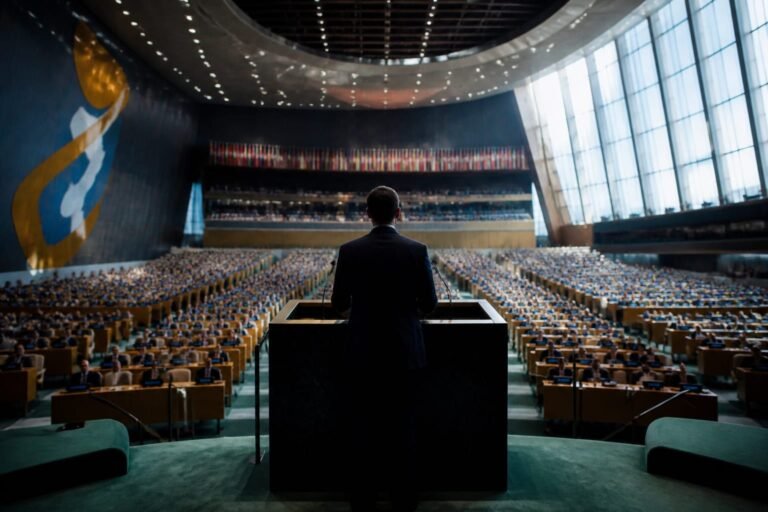
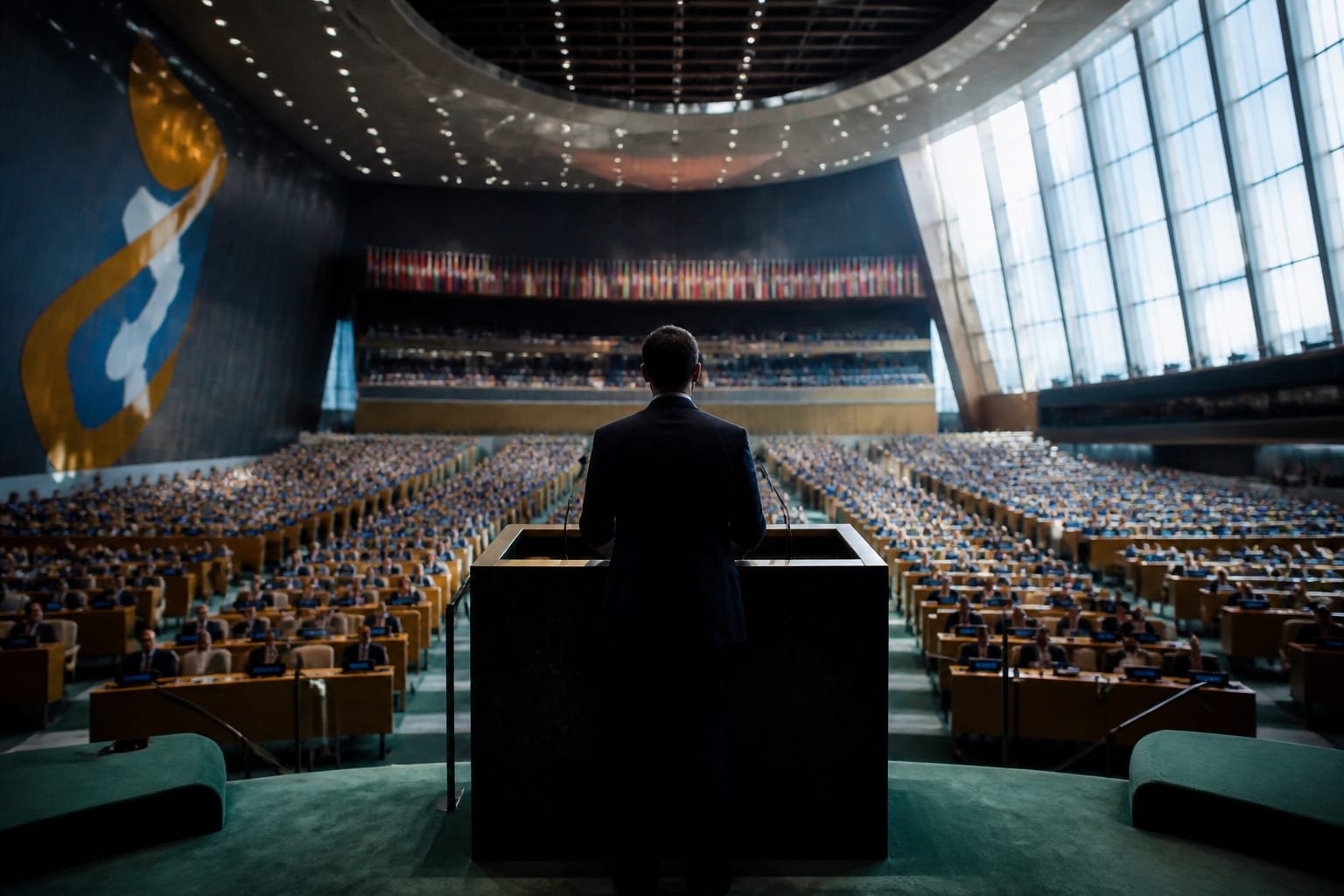
President Donald Trump used his United Nations address to press American power on the world stage, issuing a threat that Iran could face annihilation while holding out the option of a post‑election deal, prompting a walkout by Cuba's delegation, announcing a Greenland security pact and attempting to rename Artificial Intelligence. These highlights are drawn from the BBC’s correspondents covering the speech, as first reported by the BBC. The opening minutes made clear the tone: a blend of coercive diplomacy and public branding that sought to link US military capability and foreign policy aims with high‑profile diplomatic gestures.
Key takeaways
- Scope: Donald Trump framed his UN address around US strength and said he was "reasserting American power."
- Cuba: Trump called Cuba "an absolutely failed state," and the Cuban delegation left the hall while he was speaking.
- Iran: He presented Iran with a choice between rebuilding via a US deal or facing rapid "annihilation," while leaving diplomacy on the table.
- Greenland and AI: Trump praised a deal to build two US military bases in Greenland and tried to rebrand Artificial Intelligence as "Super Intelligence."
Table of contents
- Key takeaways
- How Trump used the UN stage to press US power
- A Cuban walkout after the 'failed state' charge
- A direct threat and a conditional offer to Iran
- A Greenland security pact and its immediate limits
- The attempt to rebrand AI as 'Super Intelligence'
- How this could play out
- What to be careful about
- Frequently asked questions
How Trump used the UN stage to press US power
Trump treated the UN podium as a platform to advertise the administration's foreign‑policy posture and to underline American military capability. He argued the United States would not tolerate threats gaining a foothold in the Western Hemisphere and repeatedly referenced the country’s forces as a means to secure national interests. That line of argument is consistent with his public messaging that places deterrence and coercion at the centre of diplomacy.
This approach combined open offers of negotiation with overt threats. The speech alternated between promises of reconstruction—if rivals agree to US terms—and stark warnings of force, a mix the BBC’s North America editor identified as an attempt to cast the administration as both a peacemaker and a deterrent. The rhetorical effect was to frame future talks under the shadow of potential military action, keeping leverage visible to other capitals.
A Cuban walkout after the 'failed state' charge
Trump singled out Cuba for criticism, calling the government "an absolutely failed state" and saying the regime faced mounting pressure. His words prompted the Cuban delegation to leave the General Assembly chamber while he continued speaking. Cuba’s foreign minister, Bruno Rodriguez, replied by accusing the US president of spreading "falsehoods" on social media.
The walkout is a concrete diplomatic rebuke visible in the chamber and underscores how the speech alienated at least one delegation in real time. The BBC’s White House reporter in the room noted that the administration has stepped up public attacks on Cuba over the past year, but has not provided a detailed picture of what a change of government or a US‑backed transition would actually look like.
A direct threat and a conditional offer to Iran
At the General Assembly Trump issued a stark choice to Iran: accept terms offered by Washington and be rebuilt, or face rapid "annihilation." That language blurred the line between targeting a political order and threatening the country itself, and it echoed prior posts and statements that alarmed international law specialists about extreme rhetoric from US officials.
Yet the speech did not close the door to diplomacy. Trump said he expected any deal to come only after November's US midterm elections and presented the threat as a bargaining tool to shape negotiations rather than as an immediate action. The tactic — keeping talks possible while increasing the prospect of overwhelming force — is a form of coercive diplomacy intended to raise negotiating leverage.
A Greenland security pact and its immediate limits
Trump praised a new security agreement and told the assembly it included plans for the US to establish two military bases on Greenland, saying it would strengthen defence for North America and Europe. The US, Denmark and Greenland held a joint signing ceremony shortly after the speech, and the president claimed the arrangement "very much enhances" Nato.
Despite the signing, both the BBC coverage and officials quoted there noted that few clear, public details have been released about the bases’ locations, costs or legal arrangements. Greenland is a semi‑autonomous territory within the Kingdom of Denmark, which handles foreign policy, so any operational steps will require cooperation across governments. Observers framed the pact as a diplomatic win for the administration while flagging unanswered questions about implementation.
The attempt to rebrand AI as 'Super Intelligence'
Trump used part of his address to pitch a new label for Artificial Intelligence — "Super Intelligence" — arguing the adjective "artificial" made the technology sound unreal and urging caution without endorsing new regulation. He has repeatedly insisted the United States must lead the AI race and has opposed introducing fresh government guardrails, a position that sets him apart from many delegates pressing for faster international rules.
The rebrand is a rhetorical move aimed at reshaping public perception: rename a technology, and you can influence the debate around its governance. For those calling for oversight, the central question is whether diplomacy can move quickly enough to match rapid technical change, given that the speech put the administration on record opposing heavier regulation.
| Moment | What Trump said | Immediate reaction |
|---|---|---|
| American power | "reasserting American power" and reference to US military capability | Framed the speech as a show of strength |
| Cuba | Called Cuba "an absolutely failed state" | Cuban delegation walked out; Bruno Rodriguez condemned the remarks |
| Iran | Offered a deal or risked "annihilation" | Raised concern among observers about the rhetoric; diplomacy left open |
| Greenland deal | Announced two US military bases in Greenland | Joint signing with Denmark and Greenland; few public details released |
| AI rebrand | Tried to rename Artificial Intelligence as "Super Intelligence" | Position contrasts with calls for international regulation |
How this could play out
The case for
- The speech keeps US negotiating leverage visible by tying offers to the threat of force, which can strengthen bargaining positions in future talks.
- The Greenland agreement, if implemented as described, may expand US strategic reach in the Arctic at limited public cost, and the joint signing shows Denmark and Greenland are engaged.
The case against
- Harsh public language toward Iran and Cuba risks alienating other delegations and could complicate coalition‑building the US needs for multilateral diplomacy.
- Renaming AI and rejecting new guardrails may deepen rifts with allies and UN members who are pushing for faster, multilateral regulatory responses.
What to be careful about
- Diplomatic fallout from the Cuban walkout could harden positions and reduce dialogue channels with Havana.
- Escalatory rhetoric toward Iran increases the chance of miscalculation or constrained diplomatic space for third‑party mediators.
- A lack of public detail on the Greenland bases raises legal and logistical risks for timely implementation and allied coordination.
The bottom line
Trump’s UN address married blunt threats with public diplomacy: offers of reconstruction sat alongside warnings of overwhelming force, and rhetorical stunts — from branding AI as "Super Intelligence" to announcing two bases in Greenland — aimed to translate headlines into policy leverage. The speech secured dramatic moments, including a visible Cuban walkout and a charged warning to Iran, but it also left open questions about implementation, legal detail and the diplomatic cost of high‑volume rhetoric. How those gaps are filled — in formal documents, allied consultations and follow‑up statements — will determine whether the address shifts policy or simply shapes headlines.
What to watch
- watch for further public release of the Greenland security agreement; no date has been set.
- watch for whether a deal to end the war with Iran materialises after the US midterm elections in November; no date has been set.
- watch for any formal diplomatic or retaliatory steps from Cuba following its delegation's walkout; no date has been set.
Frequently asked questions
What were the main points Trump made at the UN?
Trump emphasised US military strength and deterrence, warned Iran it faced "annihilation" unless it accepted a US deal, called Cuba "an absolutely failed state" leading to a Cuban walkout, announced two US bases in Greenland, and proposed renaming Artificial Intelligence "Super Intelligence."
Did the Cuban delegation leave during the speech?
Yes. According to the BBC’s White House reporter at the UN, the Cuban delegation walked out while Trump called Cuba "an absolutely failed state."
What is known about the Greenland security deal?
Trump said the US will build two military bases in Greenland and that a joint signing with Denmark and Greenland took place shortly after his address, but the BBC notes few clear public details have been released about the pact.
Related reading