
Estimated reading time: 4 minutes · Last updated:
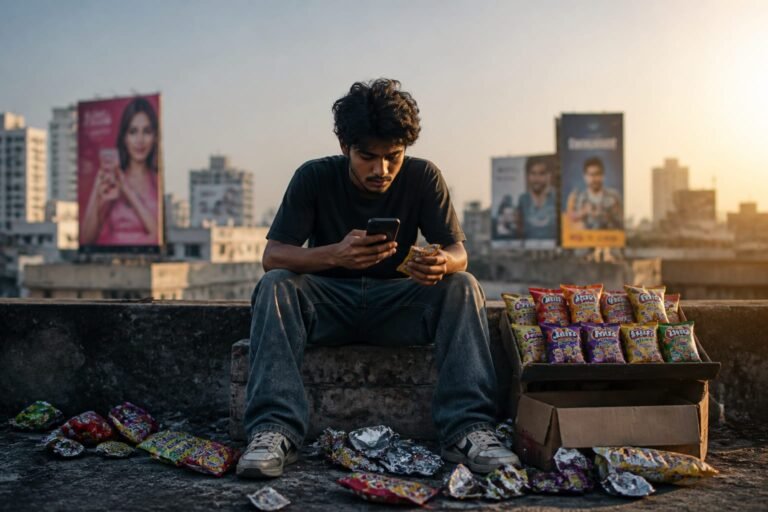
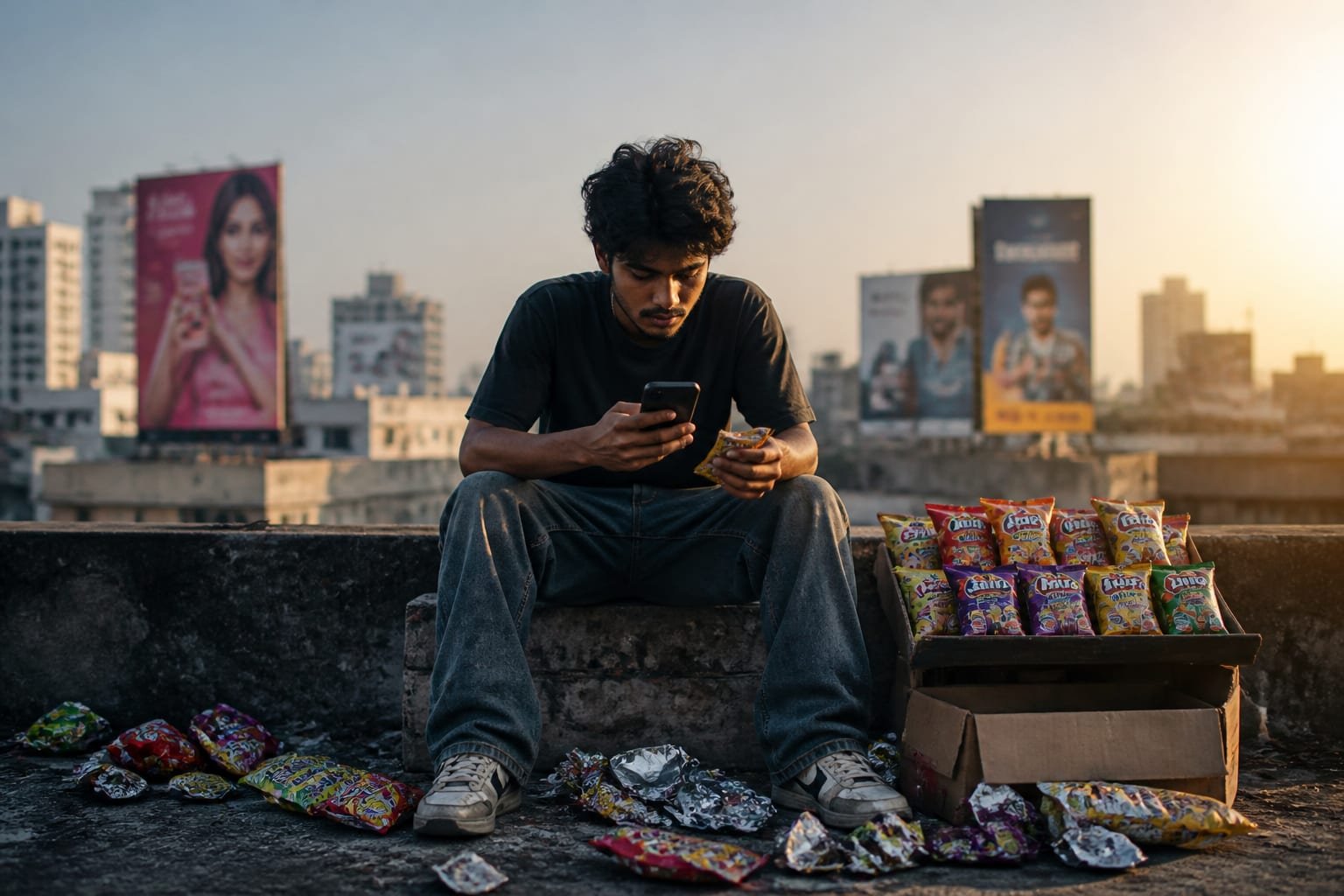
Mondelēz International is repositioning how it markets Oreo, Ritz and other brands to younger consumers as evidence mounts that Gen Z is snacking less. The company describes its strategy as “elevated indulgence,” and it is leaning on creator partnerships and bigger sports sponsorships to keep occasional treats relevant. Justin Parnell, senior VP of marketing and insights at Mondelēz, lays out how those creative and media choices are being applied across the portfolio, and how the company is preparing for AI-driven shopping, as first reported by Ad Age on October 8, 2026.
Key takeaways
- Strategy name: Mondelēz calls its marketing philosophy “elevated indulgence.”
- Senior marketer: Justin Parnell is Mondelēz's senior VP of marketing and insights and speaks for the programme.
- Brands involved: The approach is being applied across Mondelēz portfolios including Oreo and Ritz.
- Sports investment: Mondelēz expanded sports marketing with a full-portfolio 'Summer of Soccer' effort.
Table of contents
How 'elevated indulgence' reshapes creative and media
Mondelēz's 'elevated indulgence' frames snacks as occasional, premium moments rather than everyday staples. That positioning changes creative brief work: teams now emphasise occasion, taste cues and shareability rather than frequency of consumption. Justin Parnell describes the shift as one that alters which audiences are targeted and how budgets are allocated across short-form video and creator-driven formats.
On media buying, the logic is to place brands where younger consumers are receptive to celebratory or social moments. That means more investment in creator partnerships whose content can portray products as treat-like experiences and in media buys that amplify those creator moments rather than mass-reach, low-intent placements. Mondelēz applies the same creative principle across names such as Oreo and Ritz to preserve scale while tailoring execution by channel.
Why Mondelēz is betting on sports and full-portfolio campaigns
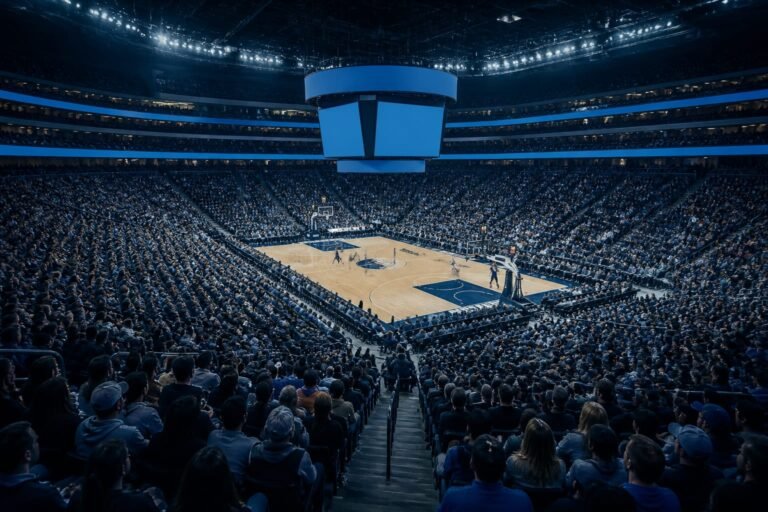
Mondelēz has increased sports marketing because sporting events concentrate social moments where treat-led messaging can land. The company executed a full-portfolio 'Summer of Soccer' campaign that integrated multiple brands, using event-aligned creative to reach fans in contexts where indulgence feels timely. Parnell framed sports as a vector for unified brand expression across categories.
A full-portfolio approach lets Mondelēz leverage one event to promote distinct products with tailored activations, keeping economies of scale while offering brand-specific stories. That reduces the need to force uniform messaging and enables different brands to occupy complementary positions—one as a shareable snack, another as an on-the-go treat—without fragmenting the overall investment.
Preparing creative and commerce for AI-driven shopping
Mondelēz is also looking at how AI-driven shopping will change discovery and purchase. Justin Parnell pointed to work on creator signals and commerce-ready content so that when AI systems suggest treats or recipes, Mondelēz brands are findable and framed as premium moments. The aim is to make creator-led content and product metadata usable by recommendation engines and voice assistants.
That preparation covers both creative formats—short, shoppable clips tied to product pages—and backend readiness such as richer product descriptors. Parnell said the investment is not just in ads but in content and data structures that let AI systems link inspiration to immediate purchase paths, preserving the elevated-indulgence framing through the final transaction.
Outlook for the strategy
The case for
- Creator-first content could increase relevance with Gen Z by portraying snacks as occasional treats rather than daily staples, preserving brand equity while accepting lower consumption frequency.
- Sports and event-led, full-portfolio campaigns can deliver scale efficiently by activating multiple brands around a single moment and increasing shareable, high-attention impressions.
The case against
- If Gen Z's lower snacking frequency is structural, higher marketing efficiency may not offset fewer purchase occasions and could raise cost-per-conversion for some brands.
- Relying on sports and events concentrates spend seasonally and risks weaker year-round performance if alternative channels do not sustain engagement between events.
What to be careful about
- Gen Z may continue to snack less, limiting the addressable occasions that justify higher creative and media spend directed at that cohort.
- Sports-led campaigns are seasonal; overreliance on event windows could leave gaps in reach and frequency during off-peak periods.
- Measuring creator ROI is still evolving, so investments in creator partnerships may produce delayed or hard-to-attribute sales signals.
The bottom line
Mondelēz is adapting to lower snacking frequency among younger consumers by reframing its brands as occasional, elevated treats and by shifting spend into creator-led formats and sports partnerships. Justin Parnell presents these moves as a coordinated change of creative, media and commerce readiness—not a single-channel gamble. The success of the approach will hinge on measurable creator returns and the company's ability to translate event-driven spikes into sustained, AI-enabled discoverability.
What to watch
- Watch for Mondelēz's next sports-led portfolio activation; no date has been set.
- Watch for public case studies from Mondelēz or agency partners on creator-driven ROAS and measurement; no date has been set.
Frequently asked questions
What does Mondelēz mean by 'elevated indulgence'?
Mondelēz uses 'elevated indulgence' to position snacks as occasional, premium moments rather than everyday staples; the term is the company's stated marketing philosophy and is applied across brands such as Oreo and Ritz.
Why is Mondelēz investing in sports marketing?
Justin Parnell says sports events concentrate social moments where treat messaging lands; Mondelēz ran a full-portfolio 'Summer of Soccer' effort to activate multiple brands around a single, high-attention moment.
How is Mondelēz preparing for AI-driven shopping?
According to Justin Parnell, the company is aligning creator content and product metadata so AI recommendation systems and voice assistants can link inspirational content to purchase paths, making brand-led moments shoppable.
Related reading