
Estimated reading time: 5 minutes · Last updated:
Halo Collar, founded in 2018, sells GPS-enabled dog collars directly to consumers and merges its first-party device and subscription signals with third-party enrichments and incrementality models to drive both awareness and sales. The collars sell for about $500 on average and are paired with a subscription app; the company reports roughly 17% unaided brand awareness today and aims for 25–30% as it prepares to expand into more than 2,000 retail locations next year. Chief marketing officer Seth Solomons says Halo stores customer and device signals in Snowflake, links them to partners such as Equifax, and uses Northbeam to measure each channel’s incremental contribution across a 30–45 day purchase window, as first reported by adexchanger.com.
"We think [growth] will accelerate with retail expansion," he said.
Seth Solomons, Halo Collar chief marketing officer
Key takeaways
- Growth and spend: Halo Collar has grown between 35% and 40% annually and spends nearly 30% of revenue on marketing, Seth Solomons said.
- Data stack and partners: Halo stores first-party device and subscription data in Snowflake and links it to partners such as Equifax and Northbeam for enrichment and incrementality measurement.
- Retail and awareness targets: The brand is in Scheels and 50 PetSmart stores now, expects placement in more than 2,000 stores next year, and is targeting 25–30% unaided brand awareness (currently ~17%).
Table of contents
Who buys Halo Collar and what the product delivers
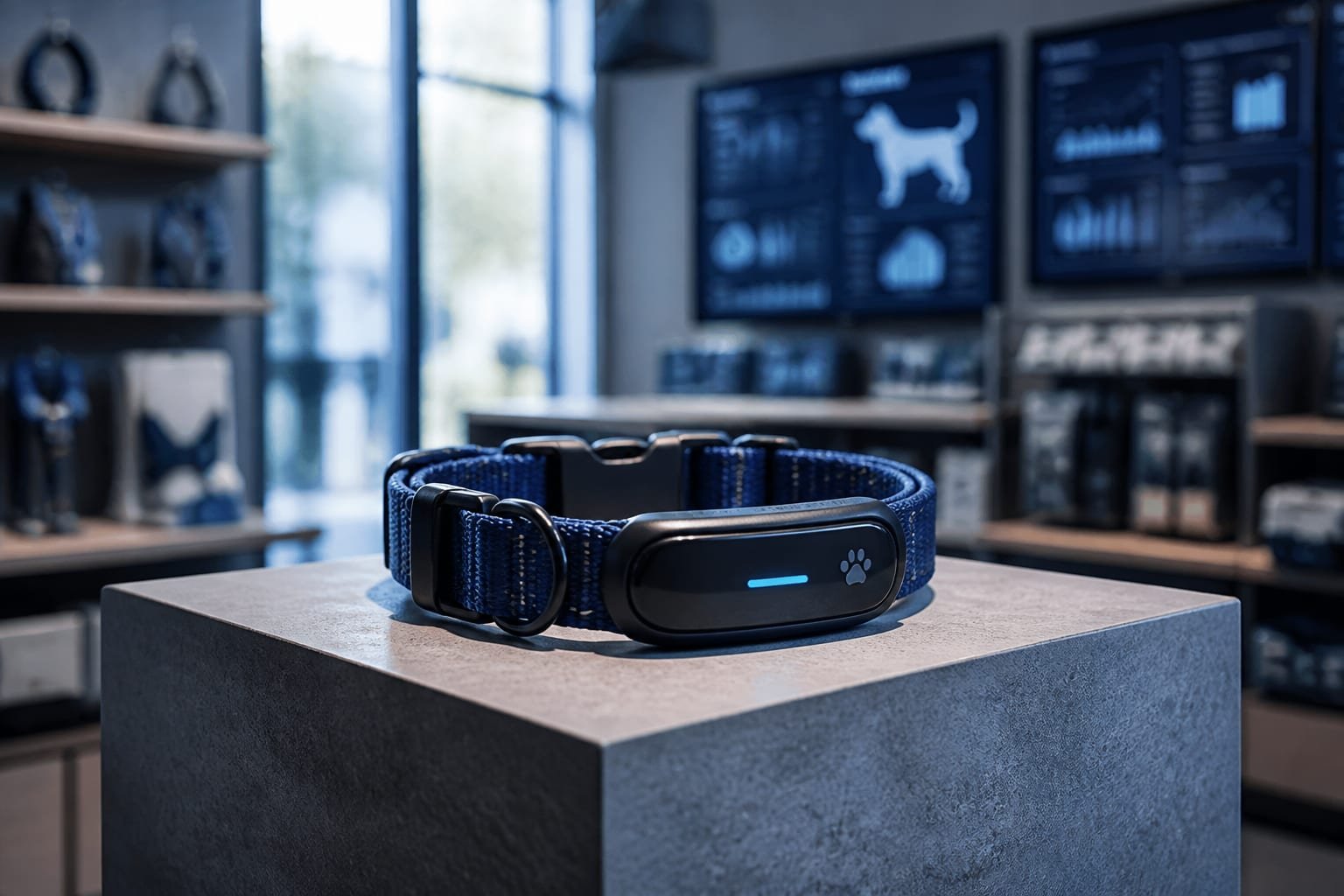
Halo Collar launched in 2018 and sells a GPS-enabled collar that tracks location, motion and health signals and pairs with a subscription-backed mobile app. The company positions the product as a premium lifestyle purchase; the collars cost about $500 on average and the app lets owners set virtual fences and receive alerts without using shock-based corrections. Seth Solomons said the company expected an affluent buyer but found the average annual household income among customers is around $86,000, indicating a broader middle- and upper-middle market buying discretionary safety tech for pets.
That customer mix matters because it changes channel choices and creative. Higher-price hardware and recurring subscription revenue also make lifetime value central to marketing decisions: Halo tracks acquisition cost and return on ad spend as primary success metrics while using device signals from collars to enrich profiles and tailor post-purchase messaging.
The first-party stack and how Halo enriches it
Halo aggregates collar telemetry, subscription registrations and customer attributes in Snowflake, then links that data to third parties for demographic and credit-linked signals. Solomons said the in-house database captures dogs’ motions, sleep and barking, plus owner-supplied details such as age and geography gathered at signup. By connecting those records to vendors like Equifax, Halo gains household-income insight and other enrichments that inform targeting.
The company treats this linked view as its primary asset for scaling beyond DTC. That means using behavioral device signals to find prospects with similar routines — for example, owners whose collars show frequent outdoor activity — and tailoring creatives and channel choices to those segments rather than relying solely on generic audience buckets.
Channel strategy and incrementality measurement
Halo runs a channel-specific media approach. It uses Amazon to see adjacent purchases, Meta to match lifestyle signals (rural vs. suburban, travel habits) and social platforms such as YouTube and TikTok for people-led storytelling. Solomons described roughly 100 creatives in Meta’s platform that the team rotates by predicted lifestyle fit, and the brand runs a creator program called Halo Besties alongside about 100 creators per month today.
To assign credit across channels Halo emphasizes incrementality rather than last-click attribution. The company works with Northbeam, which combines marketing mix modeling with multi-channel data to estimate joint effects and seasonality across geographies, creatives and channels. That modeling is applied to a typical 30–45 day purchase window so Halo can understand how sponsored search, social videos and other touchpoints jointly influence conversions and where to rebalance upper- and lower-funnel spend.
Retail expansion, awareness goals and creative plans
Halo is moving from a DTC-first model toward retail distribution as a way to scale awareness and convert in-market shoppers. The brand is currently stocked in Scheels and 50 PetSmart locations and expects to be in more than 2,000 stores next year. Solomons argues that higher unaided brand awareness increases the chance a customer entering a store will look for Halo Collar on shelves, which is why Halo measures awareness alongside direct sales.
Today the company reports roughly 17% unaided brand awareness and is targeting 25–30% as a retail-ready threshold. To drive that lift Halo plans heavier investment in live-sports advertising and creator content: Solomons cited sports such as college football and NASCAR as priority channels, and he said Halo expects to double creators producing content for the brand by next year to expand authentic storytelling.
| Channel | Role | Signal used | Creative approach |
|---|---|---|---|
| Amazon | Purchase-intent and adjacency | Basket items and timing | Target after complementary buys (e.g., crates) |
| Meta | Lifestyle and segmentation | Home type, travel, outdoor habits | ~100 creatives matched to lifestyle |
| YouTube / TikTok | Upper-funnel storytelling | Engagement and video view behavior | People-led, authentic stories (Halo Besties) |
| Live sports / influencers | Awareness and affinity | Event audiences and creator reach | Sponsorships and creator-produced content |
How Halo’s plan could play out
The case for
- Retail placement in 2,000+ stores and a rise to 25–30% unaided awareness could convert in-store shoppers who already encountered Halo ads, increasing retail-driven sales.
- Doubling creator output and investing in live sports can amplify authentic storytelling, improving upper-funnel recall and lowering future customer-acquisition cost if Northbeam’s incrementality signals confirm channel value.
The case against
- Rapid retail rollout could raise distribution costs and require marketing shifts; if awareness doesn’t expand as planned, in-store inventory could underperform versus e-commerce.
- Incrementality estimates from modeling work are sensitive to assumptions about attribution windows and seasonality; misestimation could lead Halo to overinvest in channels that do not deliver sustainable returns.
What to be careful about
- Retail rollout timing and store-level sell-through are uncertain and could increase working-capital needs if inventory does not move.
- Incrementality modeling depends on linked data and assumptions; errors in matching device signals to purchase outcomes would distort channel investment decisions.
- Heavier spending on live sports and creator volume raises marketing burn; Halo currently spends nearly 30% of revenue on marketing, which could pressure margins if revenue growth slows.
The bottom line
Halo Collar is positioning its data-rich DTC business for a retail-led scale phase by converting device telemetry and subscription records into audience signals that power targeted creatives and incrementality measurement. The near-term task is lifting unaided awareness from about 17% toward the 25–30% range while preserving economics: the company already spends nearly 30% of revenue on marketing and sells hardware at roughly $500 each. Success will hinge on precise attribution from Northbeam, disciplined rollout execution across the anticipated 2,000+ stores, and whether a larger creator and sports investment can move awareness without eroding margins.
What to watch
- watch for Halo Collar’s national retail rollout into more than 2,000 stores next year; no precise launch date has been set.
- watch for Halo to double creator output from about 100 to roughly 200 creators per month by next year, as the company expands people-led storytelling.
- watch for Halo’s announced investments in live-sports inventory such as college football and NASCAR and the first campaign placements; no exact schedule has been provided.
Frequently asked questions
How much does a Halo Collar cost and what does that include?
Halo Collar’s hardware averages about $500 per unit and is bundled with a subscription plan that provides access to the mobile app for features such as GPS tracking and virtual fences, according to Seth Solomons.
What data does Halo use to target ads?
Halo stores device telemetry (motion, sleep, barking) and subscription signup details in Snowflake, and links that first-party data to partners such as Equifax to add household-income and demographic signals for targeting.
How does Halo measure which channels drive sales?
Halo uses Northbeam’s incrementality-focused modeling to estimate joint channel effects and seasonality across geographies and creatives, applying the model to a typical 30–45 day purchase window.
Related reading