Estimated reading time: 5 minutes · Last updated:
First Lady Melania Trump has launched the 2027 Presidential Super Intelligence (SI) Challenge, a nationwide competition that asks K-12 students to build projects using Super Intelligence to tackle real-world problems. The White House news release announcing the programme also established a First Lady Seal of SI Readiness that participating schools can earn by meeting specified milestones. The initiative follows an inaugural competition that engaged more than 20,000 students from all 50 states and U.S. schools abroad. Registration for the 2027 challenge is open through Dec. 18, 2026, and the programme is explicitly tied to the administration’s decision to use the term “Super Intelligence.”
“America’s future security, prosperity, and global leadership depend on our next generation. Building on last year’s success, the 2027 Presidential Super Intelligence Challenge will empower our children to lead the world,”
Melania Trump
Key takeaways
- Launch: Melania Trump launched the 2027 Presidential Super Intelligence (SI) Challenge for K-12 students.
- Seal: The White House established a First Lady Seal of SI Readiness for schools that meet programme milestones.
- Past scale: An inaugural competition previously engaged more than 20,000 students from all 50 states and U.S. schools abroad.
- Registration: Registration for the 2027 challenge is open through Dec. 18, 2026.
Table of contents
- Key takeaways
- What the 2027 Presidential Super Intelligence Challenge asks schools to do
- What the First Lady Seal of SI Readiness requires and signals
- Scale, precedent and the initiative’s reach
- Why the administration uses the term ‘Super Intelligence’ and what that changes
- Outlook
- What to be careful about
- Frequently asked questions
What the 2027 Presidential Super Intelligence Challenge asks schools to do
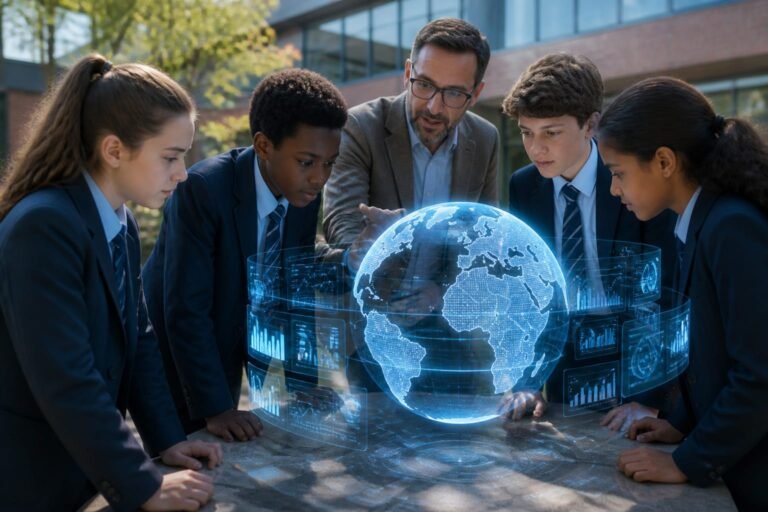
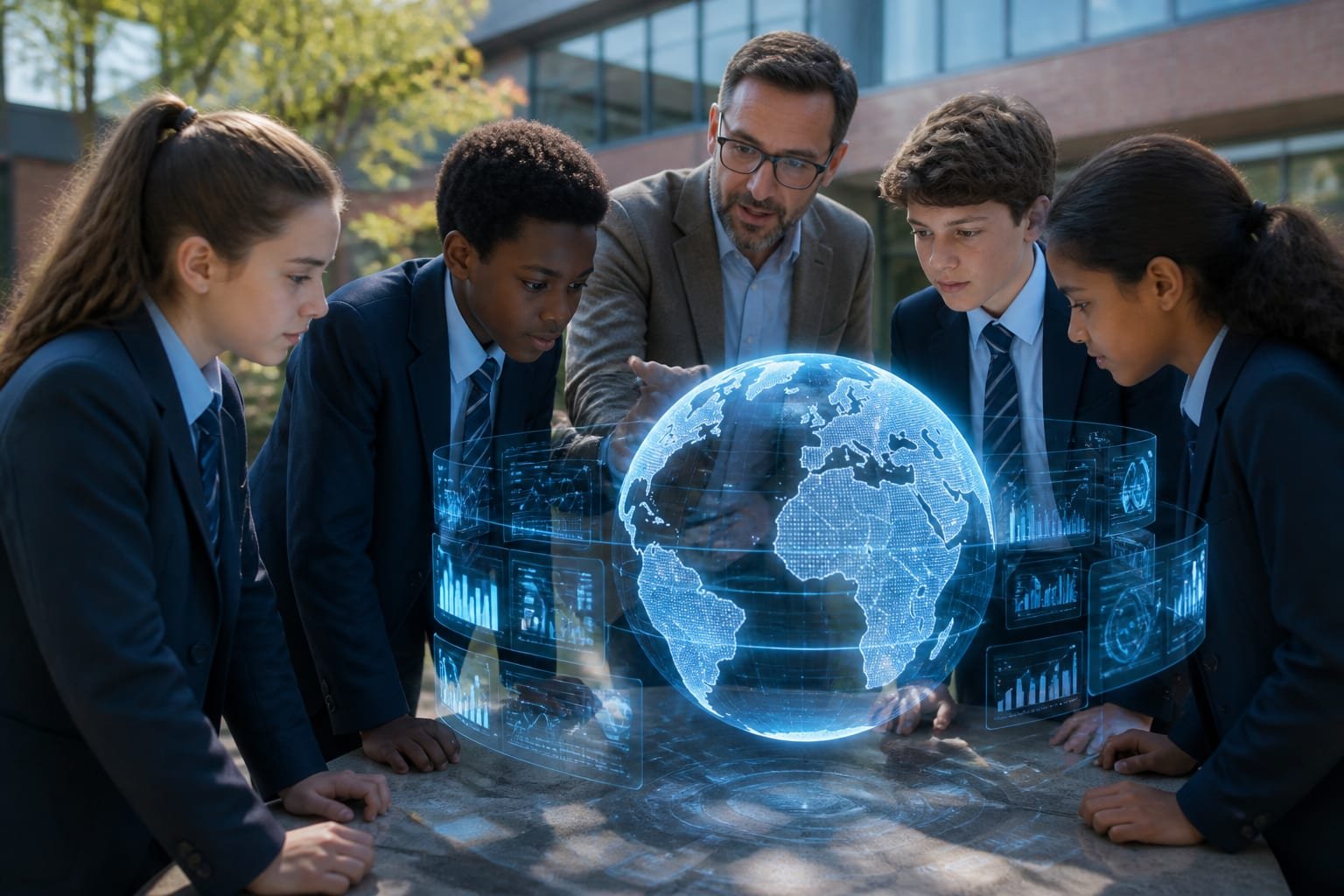
The 2027 Presidential Super Intelligence Challenge invites K-12 students to develop projects that apply Super Intelligence to address concrete problems in their communities. According to a White House news release, participating teams will be evaluated on the responsible use of Super Intelligence, the clarity of their problem definition and the practicality of their proposed solutions. The announcement does not list prize amounts or detailed judging rubrics in the release itself, but it makes clear that both students and educators are expected to demonstrate understanding of the technology and ethical safeguards.
The challenge is open to K-12 schools and is presented as a nationwide programme; registration closes on Dec. 18, 2026. Organisers frame the competition as an educational pathway—students who participate are meant to learn both technical concepts and how to apply those concepts responsibly in projects that serve local needs.
What the First Lady Seal of SI Readiness requires and signals
The White House news release says schools can earn a First Lady Seal of SI Readiness by meeting milestones that show they are preparing students and educators to understand and use Super Intelligence responsibly. The release frames the seal as a recognition of institutional preparation rather than an individual student award, but it does not publish the milestone checklist in full.
The First Lady Seal of SI Readiness is intended as a visible indicator for parents and local officials that a school has taken steps on curriculum, teacher training or safeguards. Because the exact milestones and the timeline for awarding the seal are not included in the public release, districts will need to consult White House guidance or partner materials for implementation details.
Scale, precedent and the initiative’s reach
The announcement places the 2027 challenge against an inaugural effort that engaged more than 20,000 students from all 50 states and U.S. schools abroad. That participation figure is presented as evidence of nationwide interest and a foundation the new, expanded challenge will build on.
Framing the competition as national implies logistical and equity questions for districts with limited resources: smaller or underfunded schools may need partnerships or external support to prepare students and staff. The White House release does not specify whether federal funds, technology grants or corporate partnerships will be made available to narrow those gaps.
Why the administration uses the term ‘Super Intelligence’ and what that changes
The challenge’s name follows President Donald Trump’s Sept. 29 executive order directing government documents, public statements and agency materials to use “Super Intelligence” instead of “artificial intelligence.” The release explicitly adopts that terminology. Changing the label is a rhetorical and policy choice: organisers say it is meant to reflect capabilities the administration considers advanced.
The renaming affects communications, curriculum language and any federal guidance that flows from agency materials. Schools and educators participating in the challenge will encounter the term “Super Intelligence” in official guidance and in the competition materials, which could require local curriculum teams to reconcile that wording with existing classroom resources and community expectations.
Outlook
The case for
- The competition can scale classroom exposure to Super Intelligence: the inaugural effort engaged more than 20,000 students, showing demand and an available participant base.
- A visible recognition like the First Lady Seal of SI Readiness could accelerate school investment in teacher training and ethical safeguards if districts treat the seal as a credential parents value.
The case against
- Using the term “Super Intelligence” as set by the Sept. 29 executive order may politicise educational materials and complicate buy-in in districts where the label is contested.
- Details on funding, milestone criteria and judging are not included in the release, so implementation could stall if districts lack clear, resourced guidance.
What to be careful about
- Terminology risk: the administration’s directive to replace “artificial intelligence” with “Super Intelligence” could create confusion for educators and parents who use different, established terms.
- Implementation gap: the White House release does not publish the milestone checklist or funding details for the First Lady Seal of SI Readiness, which may leave districts unsure how to qualify.
- Equity risk: schools with fewer technical resources may struggle to prepare students and educators in time to meet milestones or to mount competitive projects.
The bottom line
The 2027 Presidential Super Intelligence Challenge positions the administration’s preferred terminology and a school-recognition scheme at the centre of a national education push. The White House sets a clear registration deadline—Dec. 18, 2026—and links the effort to an inaugural programme that engaged more than 20,000 students. But the public release leaves key implementation details, including milestone checklists, funding and judging criteria, unspecified. Districts that want to participate will need the White House’s follow-up guidance or partner resources to translate the seal and competition rules into classroom practice.
What to watch
- Register by Dec. 18, 2026, when sign-ups for the 2027 Presidential Super Intelligence Challenge close.
- Watch for the 2027 national rounds of the Presidential Super Intelligence Challenge; organisers name it as a 2027 programme but have not announced exact national-final dates.
Frequently asked questions
Who is running the 2027 Presidential Super Intelligence Challenge?
The initiative was announced by First Lady Melania Trump and described in a White House news release as the 2027 Presidential Super Intelligence (SI) Challenge for K-12 students.
When does registration close for the 2027 challenge?
Registration is open through Dec. 18, 2026, according to the White House news release announcing the programme.
What is the First Lady Seal of SI Readiness?
The First Lady Seal of SI Readiness is a recognition the White House says schools can earn by meeting milestones that show they are preparing students and educators to understand and use Super Intelligence responsibly; the release does not publish the full milestone list.
Related reading