
Estimated reading time: 5 minutes · Last updated:
Governor Gavin Newsom signed SB868, allowing California residents to use plug-in "balcony" solar systems that connect directly to home outlets rather than require full utility interconnection. The law removes the need for each household to negotiate an interconnection agreement with Pacific Gas and Electric Company or other utilities, a change State Senator Scott Wiener framed as the key barrier the bill removes. Early adopters can buy basic systems for a few hundred dollars and may see payback in around four years, while broader uptake could ease grid stress during high-demand, sunny hours, as first reported by Grist.
“And what this bill does is eliminate the massive barrier to people using plug-in solar, which is that you’d have to go and negotiate an interconnection agreement with PG&E [Pacific Gas and Electric Company] or the other utility.”
Scott Wiener
Key takeaways
- Governor Gavin Newsom signed SB868 to let Californians install plug-in balcony solar that ties into standard home outlets.
- The bill removes the need to negotiate an interconnection agreement with PG&E or other utilities, a barrier identified by State Senator Scott Wiener.
- Market listings put basic plug-in solar systems at a few hundred dollars, and these units can lower household use of grid electricity.
- Published reporting notes that household payback for such systems can be around four years, depending on local energy prices.
Table of contents
What SB868 changes for residents and utilities
SB868 removes a procedural hurdle that previously made small, plug-in solar impractical for many households: the need to arrange a bespoke interconnection agreement with a utility. State Senator Scott Wiener, the bill’s author, said the requirement to negotiate with Pacific Gas and Electric Company or other utilities was the “massive barrier” preventing wider use. The law instead standardizes the pathway for small, plug-in systems to connect safely to a dwelling’s existing wiring, opening adoption to people who lack roof access or who rent apartment units with balconies.
The change does not claim to substitute for rooftop systems that produce larger amounts of electricity; lawmakers and advocates framed it as an affordable, incremental option. Project Drawdown’s Amanda Smith described the approach as well-suited to using renewable generation where it is produced, and backers argue the systems are especially useful during sunny peak-demand hours. The text of SB868 is public; the new rules aim to balance simplified household connections with basic safety and interconnection technical limits.
How plug-in solar works and who benefits
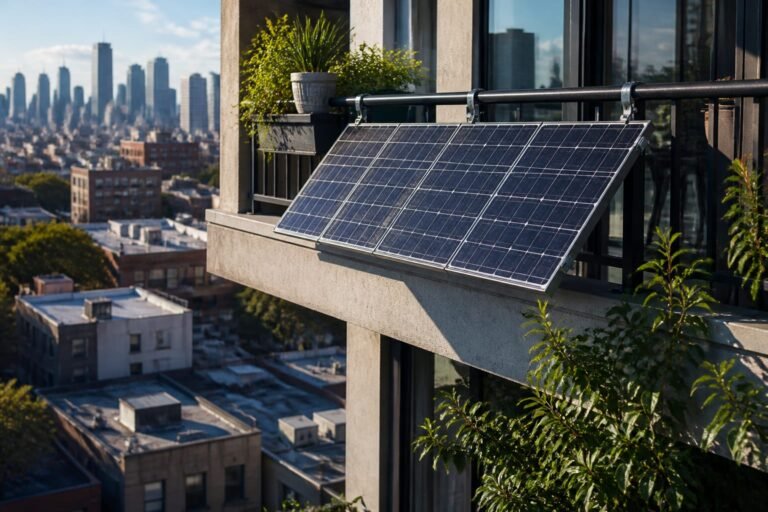
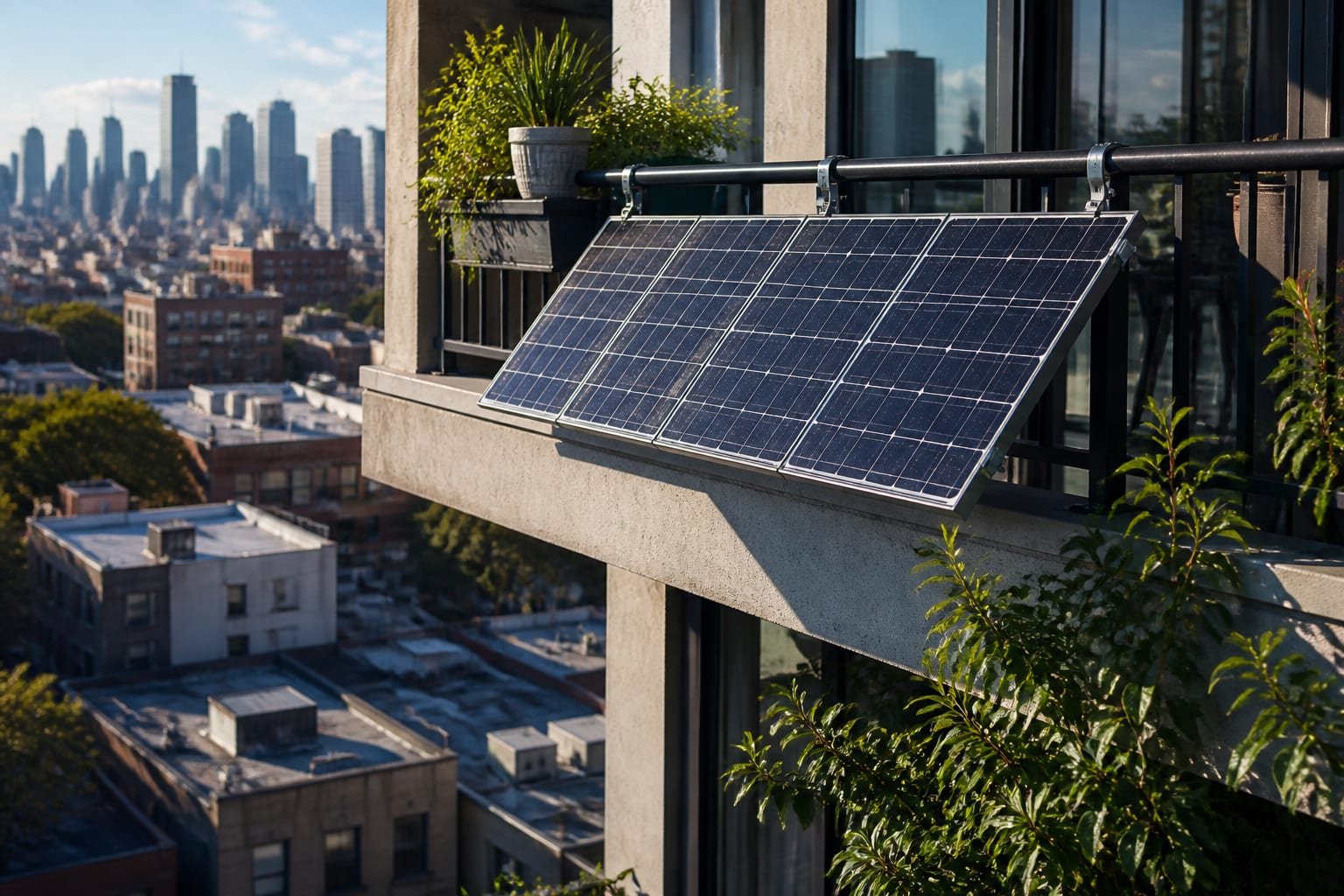
Plug-in solar — also called balcony solar — uses smaller photovoltaic arrays and an inverter that lets owners plug the system into a dedicated outlet. Systems described in the reporting cost only a few hundred dollars for basic kits, a much lower entry price than a roof-sized installation. That affordability, plus the minimal installation work, makes the technology accessible to renters and people with shaded roofs.
Bernadette Del Chiaro, who is the Environmental Working Group’s senior vice president for California, said the approach broadens participation in distributed generation and called the policy both an immediate cost saver and a climate measure. Experience in Germany demonstrates a pathway for many households to adopt small arrays, and states such as Utah and Maine were earlier adopters of similar laws.
Grid effects, limits and the policy gap that remains
At scale, many small systems can reduce how much electricity homes draw during daytime peaks, easing strain on the grid during periods of highest demand, a point Del Chiaro highlighted. Plug-in panels produce only a fraction of a full rooftop array, so they are not a complete substitute for larger distributed or utility-scale generation; rather, they shave consumption at the point of use. Utilities have been building flexibility — including batteries — to cope with variable wind and solar output; plug-in systems change the demand side by lowering household draws during sunny, hot stretches.
A remaining barrier is finance and incentives. While basic systems cost a few hundred dollars, not all households can afford even that outlay; reporting suggests rebates would speed adoption but does not list an existing California rebate. Uptake will also depend on landlord permissions in multifamily housing and on how implementing regulations define allowable system size and outlet wiring standards. Those implementation details will determine how many apartments and condominiums can realistically adopt the technology.
| Feature | Plug-in balcony solar | Full rooftop solar |
|---|---|---|
| Typical cost | a few hundred dollars | higher; roof and electrical upgrades often needed |
| Production | small fraction of rooftop output | substantially larger with full roof coverage |
| Installation | plug into an outlet; minimal work | professional installation and possible electrical upgrades |
| Accessibility | renters and balconies | primarily homeowners with usable roof area |
How adoption could play out
The case for
- Lower upfront cost and simplified connection could expand access to solar to renters and people with limited roof space.
- Widespread use during sunny, hot hours could reduce local demand peaks and ease stress on distribution networks.
The case against
- Without state rebates or clear implementing regulations, adoption may remain limited to those who can afford the upfront cost.
- Landlord rules, building codes and limits on system output could constrain deployment in multifamily housing.
What to be careful about
- Adoption depends on implementing rules that are not yet specified; restrictive technical limits could blunt the law’s effect.
- Low per-unit generation means plug-in systems will not replace large-scale grid or rooftop generation needs.
- If landlords or housing associations prohibit external panels, many renters will remain excluded despite the law.
- Savings and payback timelines depend on local electricity prices; households in lower-rate areas will see longer payback.
The bottom line
California’s SB868 removes a procedural barrier that kept small, plug-in solar sidelined: households no longer must negotiate an interconnection deal with their utility to use a balcony system. The change lowers the technical and administrative threshold for renters and owners to adopt low-cost systems that cost a few hundred dollars and can reduce daytime grid demand. Implementation details — system size limits, landlord permissions and any incentive programs — will determine how widely the technology spreads, but proponents argue the law makes an immediate, affordable option available to many households while nudging the grid toward more distributed, demand-side flexibility.
What to watch
- Watch for California implementing regulations that spell out allowable system size and connection rules for SB868; no date has been set.
- Watch for any state rebate programs or incentive announcements that would lower the 'few hundred dollars' upfront cost; no date has been set.
- Watch for landlord, condominium or local building code rulings that affect where balcony systems may be installed; no date has been set.
Frequently asked questions
What does SB868 do?
SB868 removes the requirement that individual households negotiate interconnection agreements with utilities such as Pacific Gas and Electric Company, standardizing how small plug-in solar systems connect to a dwelling’s electrical outlet.
How much do plug-in balcony solar systems cost?
Reporting cites basic plug-in systems at a cost of a few hundred dollars, considerably less than full rooftop installations, though exact prices vary by model and installer.
How long before I recoup the cost?
Coverage notes potential payback timelines of around four years for some households, but actual payback depends on local electricity rates and household consumption patterns.
Related reading