
Estimated reading time: 4 minutes · Last updated:
Campari America keeps Aperol, Campari and related aperitivo brands culturally active by folding decades of heritage into modern rituals such as spritz culture, festival activations and non-alcoholic options. Allison Varone, head of marketing at Campari America, frames the work around emotional connection and commercial context and stresses bartender education through Campari Academy. The Speed of Culture Podcast conversation with Matt Britton captures these examples, and the episode’s key points are time-stamped at 01:28, 04:01, 06:21, 09:49, 13:23 and 19:25, as first reported by ADWEEK. The approach pairs curiosity about new cultural forms with an insistence on where and how products actually sell.
Key takeaways
- Brand purpose: Allison Varone, head of marketing at Campari America, argues brands endure when they become woven into the moments people remember.
- Product range: Campari America’s portfolio includes Aperol, Campari and aperitivo options such as Crodino, which support alcoholic and non-alcoholic participation.
- Experiential focus: Campari runs festival and neighborhood activations — from Coachella and Lollapalooza presences to smaller platforms such as the Aperol Day Club — to make brand color and conviviality part of the environment.
- Trade investment: Campari Academy provides bartender training to protect consistent preparation and the customer experience at the point of service.
Table of contents
- Key takeaways
- How heritage becomes a modern social ritual
- Spritz growth and mindful drinking as inclusion, not retreat
- Experiential playbook: festivals, local activations and everyday extensions
- Bartenders, training and the insistence on commercial context
- How this approach could play out
- What to be careful about
- Frequently asked questions
How heritage becomes a modern social ritual
Heritage is an asset only when it maps onto current consumer rituals. Allison Varone frames brand longevity not as preservation of an archive but as translation: the color, conviviality and ritual that marked Aperol decades ago must be visible where people gather today. That means spotting moments where a spritz, an aperitivo or a non-alcoholic alternative makes social sense and designing the environment so the product looks and feels native to it.
Campari’s work treats heritage as a set of emotional cues rather than historical baggage. Varone pairs nostalgia with immediacy: the brand cues consumers’ memory while giving them a reason to order now. This shift in posture — from museum piece to living element of an occasion — is the mechanism that lets an older brand remain a choice for younger drinkers and for occasions that did not exist when the brand was founded.
Spritz growth and mindful drinking as inclusion, not retreat
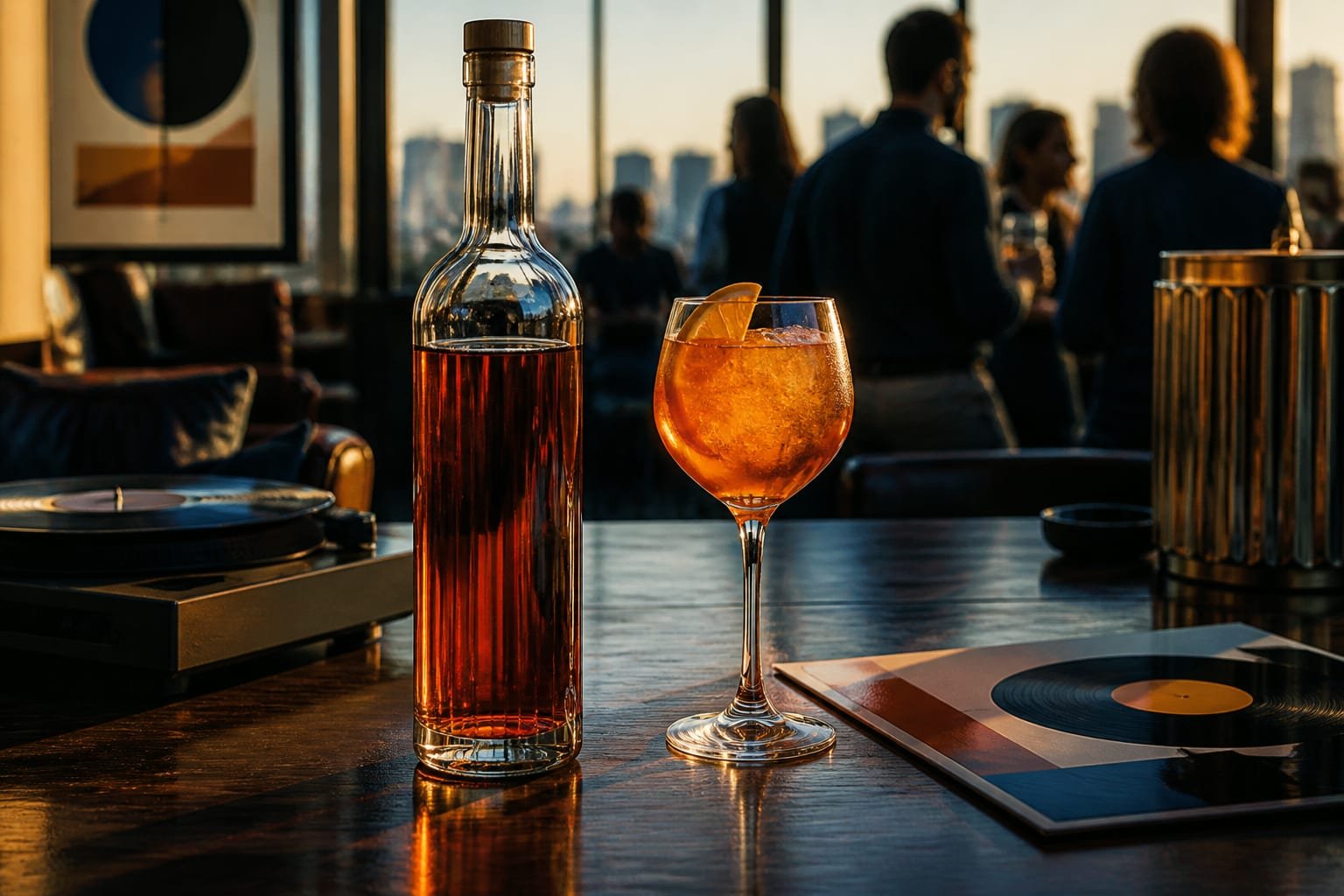
Varone describes the spritz category as a cultural entry point that expands how people socialize rather than restricting it. The company positions Aperol’s color, refreshment and sociability as ways to own daytime and festival moments, while products such as Crodino offer a non-alcoholic route into the same ritual without asking consumers to opt out.
Mindful drinking here is reinterpreted as flexibility. Rather than treating reduced alcohol as a threatened audience, Campari designs occasions that let people move between alcoholic and non-alcoholic options. That keeps the ritual intact — the shared drink, the toast, the color — while responding to shifting consumption preferences.
Experiential playbook: festivals, local activations and everyday extensions
Campari’s experiential strategy is layered: large-scale festivals such as Coachella and Lollapalooza provide visibility, while curated platforms like Aperol Day Club translate that moment into something repeatable. At major festivals the brief is not simple logo placement but construction of spaces where the brand’s emotional cues — joy, sociability, color — become part of what people do and photograph.
The company also uses smaller neighborhood activations to move the festival energy into daily life. Those activations convert one-off exposure into routine behavior by giving consumers a local, repeatable place to experience the brand. Executed well, that combination increases both short-term trial and long-term salience.
Bartenders, training and the insistence on commercial context
Campari invests in bartender education through Campari Academy because the person who mixes and serves the drink is part of the brand in motion. Varone stresses that consistent preparation matters: patrons generally credit the brand for the finished cocktail no matter who actually mixed it, so training protects both taste and equity.
She pairs curiosity about new platforms and technologies with a demand for commercial fluency: Varone says one must understand where the product is sold, in which channels it is offered, and what trade partners require. That commercial context is treated as an equal to cultural experimentation; without it, activations may feel relevant but fail to convert into sales or repeat occasions.
| Brand | Positioning | Noted activation |
|---|---|---|
| Aperol | Spritz category leader; color and day-drinking ritual | Aperol Day Club; festival activations |
| Campari | Classic aperitif with bitter profile | Festival environments emphasizing conviviality |
| Crodino | Non-alcoholic aperitivo-style option | Positioned to allow mindful participation |
How this approach could play out
The case for
- If spritz culture continues to grow, brands like Aperol will convert festival visibility into routine purchases and elevated share of moments.
- If bartender training scales through Campari Academy, preparation consistency will strengthen in-premise equity and increase repeat orders.
The case against
- If activations are placed in cultural moments that do not match brand feeling, the brand risks appearing forced and losing authenticity.
- If marketers chase novelty without commercial alignment, experiential spend may raise awareness but fail to move sales or distribution.
What to be careful about
- Misplaced cultural partnerships: entering a festival or talent collaboration that does not align with what people want to feel in that moment can harm the brand’s authenticity.
- Inconsistent preparation: failure to maintain bartender training undermines the consumer experience because the final cocktail is what consumers remember.
- Experimentation without commercial grounding: curiosity that ignores where and how the product sells risks creating ideas that cannot scale into revenue.
The bottom line
Campari’s approach reframes heritage as a toolkit for contemporary social rituals rather than a museum piece. By combining experiential activations at festivals and neighborhoods, non-alcoholic options that preserve ritual, and formalized bartender training through Campari Academy, the company links cultural relevance to commercial reality. Allison Varone’s emphasis on pairing curiosity with business fluency keeps experiments tethered to where the product sells. The strategy succeeds when activations feel native to the moment and trade partners are equipped to turn exposure into repeat occasions.
What to watch
- Watch for Campari’s next festival activations; no date has been set.
- Watch for new Campari Academy programs or certifications aimed at bartenders; no date has been set.
Frequently asked questions
Who leads marketing at Campari America and what is her priority?
Allison Varone is the head of marketing at Campari America; she prioritizes translating brand heritage into emotional moments and pairing curiosity with commercial context.
How does Campari handle non-alcoholic drinkers?
Campari offers aperitivo-style options such as Crodino so consumers can take part in the ritual without alcohol, preserving the same refreshment and social cues.
Why does Campari invest in bartender training?
Through Campari Academy, the company trains bartenders to ensure consistent preparation because Varone notes that patrons commonly attribute the finished drink to the brand even when different staff prepare it.
Related reading