
Estimated reading time: 5 minutes · Last updated:
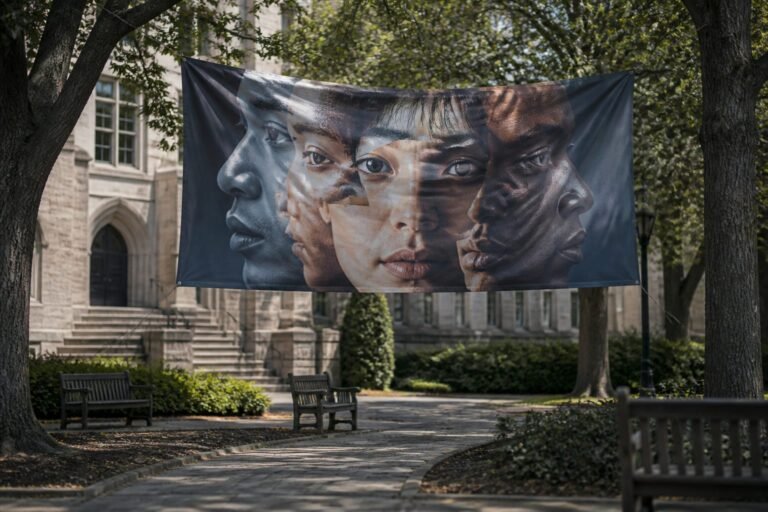
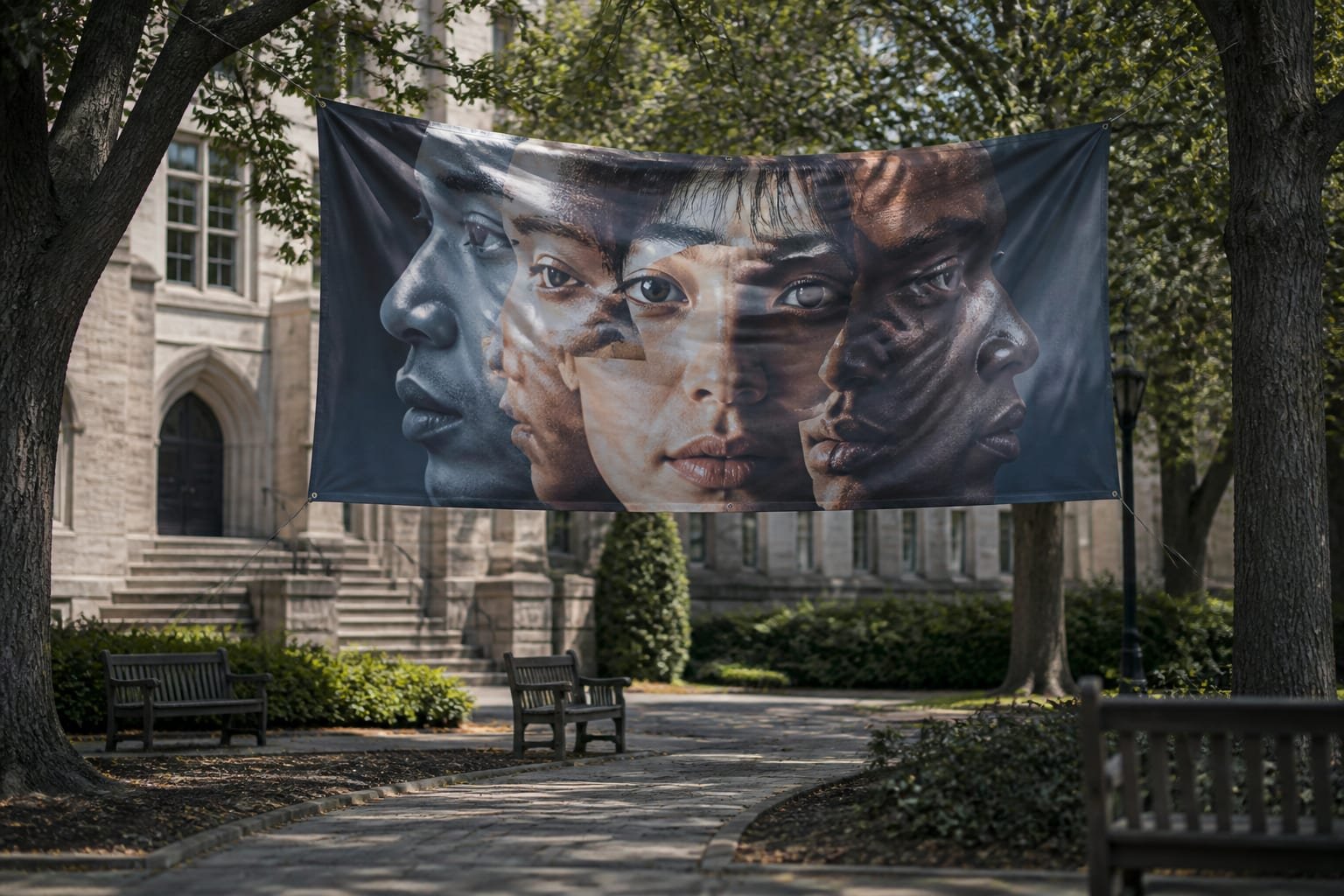
Stanford AI face swap: Stanford Residential and Dining Enterprises hung a promotional banner that used artificial intelligence to replace senior Billy Ramirez’s face with that of a Black woman, then removed all copies after students raised alarms. Stanford confirmed in an email that AI was used to alter the image in violation of university policy and said it would provide additional staff training and a review of the process, as first reported by KQED. The original photo, from a 2024 Lunar New Year event in Stern Dining, had previously been used without edits, according to The Stanford Daily.
Seeing my identity changed and being left out of the picture made me feel, in a way, silenced and erased from a representation that was supposed to include me,
Billy Ramirez, Stanford senior, to the Stanford Review
Key takeaways
- Banner removed: Stanford removed all copies of the Residential & Dining Enterprises promotional banner after students complained about AI edits.
- University response: Stanford spokesperson Charlene Gage said the university confirmed AI was used to alter the image in violation of university policy and pledged staff training.
- Student reaction: Billy Ramirez, the student whose face was altered, said the edit left him feeling “silenced and erased,” in remarks to the Stanford Review.
- Legal step: The students altered alongside Ramirez filed a Title VI report and have urged further action in an anonymous Substack titled "The Other Two."
Table of contents
How Stanford, R&DE and students responded
Stanford Residential and Dining Enterprises (Stanford R&DE) hung a promotional banner in a student housing center that used an edited version of a 2024 photo taken at a Lunar New Year celebration in Stern Dining. Stanford confirmed by email that artificial intelligence had been used to alter faces in the image and that the edits violated university policy.
After the edits circulated on the campus app Fizz, Stanford removed all banners showing the altered photo and said it would conduct a review and provide additional staff training. The Stanford Daily reported that the unedited original photo had been used in prior promotions, which underlined for students that the recent changes were deliberate edits rather than a retake or new photo.
Stanford R&DE used AI to alter the image, the university told KQED, and the department’s move prompted immediate campus discussion and national attention. The institution framed its action as corrective: removing the materials and promising procedural changes rather than defending the edits.
Students’ reaction, Title VI filing and public statements
Billy Ramirez, the student whose face was replaced, said the edit made him feel excluded from a depiction meant to represent the campus community. "Seeing my identity changed and being left out of the picture made me feel, in a way, silenced and erased from a representation that was supposed to include me," Ramirez told the Stanford Review.
The two students whose faces were also altered have filed a Title VI complaint and called for additional action through an anonymous Substack titled "The Other Two." The complaint alleges that the edits had racial implications and seeks formal review of the university’s advertising and review practices.
Campus social media amplified the reaction: the edits first spread on Fizz, then drew wider attention as outlets and commentators questioned the ethics of using AI to change race or identity in promotional material. Students and advocates have framed the issue as both a reputational harm and a concrete policy breach subject to formal grievance procedures.
Marketing practices, past incidents and institutional context
Universities have a documented history of altering marketing photos to suggest diversity. Inside Higher Ed reported a 2019 case at York College of Pennsylvania where Photoshop edits swapped students’ appearances; those incidents were presented at the time as attempts to reflect diversity goals but drew criticism for inauthenticity.
The current episode sits against broader shifts in campus demographics. Brookings Institute analysis and Stanford data cited by campus sources show enrollment shifts: Black or African American students fell from 8.9% to 4.5% and Hispanic or Latino enrollment fell from 16.7% to 14.6%, while Asian enrollment rose from 28.8% to 33% and White enrollment rose from 21.9% to 24.1%. Those figures underline why representation in official imagery is a sensitive issue for students and alumni.
Administrations and marketing teams use images to shape recruitment messaging, but the Stanford case highlights that automated edits which alter race or identity can trigger policy violations, legal complaints and rapid public backlash, forcing institutions to reassess approval workflows and verification steps for promotional content.
| Group | Earlier % | Later % |
|---|---|---|
| Black or African American | 8.9% | 4.5% |
| Hispanic or Latino | 16.7% | 14.6% |
| Asian | 28.8% | 33% |
| White | 21.9% | 24.1% |
How the situation could develop
The case for
- Stanford completes its internal review and issues clearer approval steps and mandatory training for marketing staff, reducing the chance of future AI-driven edits.
- The university’s swift removal of the banners and public acknowledgement could limit reputational damage with alumni and prospective students if followed by transparent remediation.
The case against
- The Title VI complaint leads to a formal investigation that finds procedural failures, prompting penalties or mandated institutional changes.
- Public scrutiny widens to other universities’ marketing practices and forces sector-wide enforcement or regulatory interest in AI use in institutional advertising.
What to be careful about
- Reputational harm to Stanford among students and alumni if the review is perceived as perfunctory rather than substantive.
- Erosion of trust in university marketing if institutions continue to alter images in ways students deem inauthentic.
- Potential legal or administrative consequences from the Title VI complaint if investigators find the edits caused discriminatory effects.
The bottom line
Stanford’s removal of the altered banners and its acknowledgement that AI edits violated policy have quelled the immediate visual, but not the underlying debate. Students have escalated the matter through a Title VI complaint and public letters, turning a local promotional decision into a legal and reputational issue. The case highlights a practical gap: marketing teams now face a trade-off between curated imagery and procedural safeguards, and universities will need clearer review steps for any AI-assisted edits. How Stanford follows through on its pledged review and training will determine whether this becomes an isolated misstep or a catalyst for broader policy change.
What to watch
- Watch for Stanford’s completed review and any published policy changes or training plans; no date has been set.
- Watch for the outcome of the students’ Title VI complaint and any institutional response; no date has been set.
Frequently asked questions
What did Stanford say about the edited banner?
Stanford spokesperson Charlene Gage said the university reviewed the matter and confirmed that AI was used to alter the image in violation of university policy, and the university removed the banners and pledged additional staff training.
Who is the student whose face was changed and what did he say?
The student is senior Billy Ramirez; he told the Stanford Review that the edit made him feel "silenced and erased," and the incident sparked complaints on the campus app Fizz and wider attention.
How does this relate to broader campus demographics?
Brookings Institute analysis and campus data cited by campus outlets show shifts in enrollment: Black or African American students fell from 8.9% to 4.5% and Hispanic or Latino students fell from 16.7% to 14.6%, while Asian and White shares rose, which helps explain heightened sensitivity about representation in university marketing.
Related reading